Featured

Other Articles

In 30: Regulating Cellular Food

In 30: Regulating Cellular Food

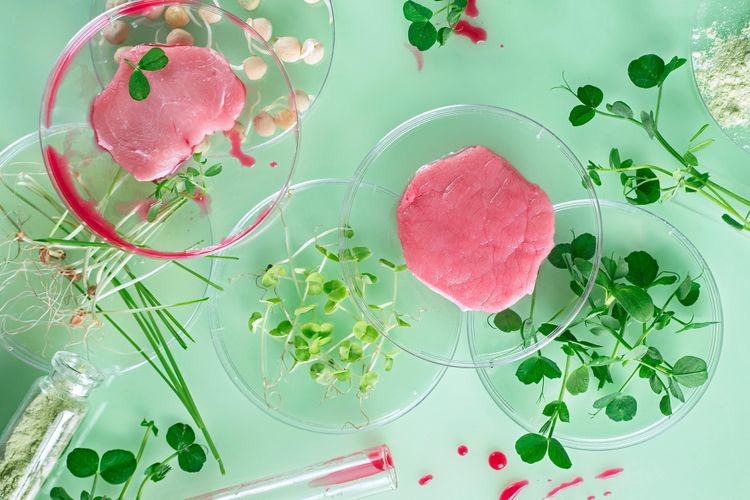
Sometimes, all it takes is 30 minutes to learn the ins and outs of new food technologies and trends that are transforming the food and beverage industry. In this series, we’ll dig into a food innovation topic and link you to content and resources so you can become a master on the topic in 30 minutes (or less!). This week, we’re looking at how emerging cellular food technology is being regulated around the world, and some of the debate around how products will be regulated as they hit the market. The Overview Good Food Institute - Cultivated meat is gaining momentum—and pathways for regulatory approval The article gives a comprehensive overview of the nations working toward regulatory approval of cellular food. CNBC – Singapore issues first regulatory approval for lab-grown meat to Eat Just Singapore is the first country to approve the sale of cellular food, in this case lab-grown chicken. FAO UN – Food Safety Aspects of Cell-based Food The Food and Agriculture Organization of the United Nations in collaboration with the World Health Organization recently published a document to identify food safety considerations of cellular food, including a view of current regulatory frameworks for cell-based food. USDA – Human Food Made with Cultured Animal Cells The U.S. Department of Agriculture and the F ood and D rug A dministration have a formal agreement on regulating foods containing cultured animal cells in the U.S. The Canadian Connection YODL - Cellular Food Opportunities in Canada Social Media @mosa_meat – Netherlands-based Mosa Meat on Twitter features interview with cellular food pioneers discussing regulations and more. @cellagritech – Based in Dubai and Singapore, this Twitter site offers news and updates on cellular food technology around the world. @cellagriculture – The Cellular Agriculture Society on Instagram advances the process of cultivated meat products. Overtime If you’ve got more than 30 minutes, these are for you: YODL - The Future of Cellular Food Regulations in Canada

Community Manager

Guest Article – Tackling Food Waste: An Unmissable Opportunity for Investors

Guest Article – Tackling Food Waste: An Unmissable Opportunity for Investors

By Craig Hanna , Partner at Power Sustainable Lios Let’s set the table wit h an often cited, but hard to believe statistic : if food waste were a country , it would be the third largest greenhouse gas emitter , behind only China and t he U nited States . It takes a whole lot of food waste to rival the e missions of the world’s largest economies . Indeed, a full third of the food produced globally never gets consumed, or even repurposed through upcycling or composting. Much of it is ha rvested , transported, processed, refrigerated, stocked, purchased , and stored in kitchens , only to be tossed in the trash and carted off to landfills where it rots and releases vast quantities of methane— a greenhouse gas 80 times more potent than carbon dioxide in the short to medium term . Food waste poses a significant environmental challenge with global repercussions, as the resulting emissions contribute to the accelerating impacts of climate change . Beyond emissions , consequences include exacerbating food insecurity and driving habitat loss , as we transform forests into farms to grow crops never to be eaten. There is also a colossal financial cost of food waste , estimated at $1 trillion annually , affecting the bottom line of farmers, retailers, manufacturers, and municipalities — not to mention consumers , who are already dealing with rising food costs . The total value of wasted or lost food in Canada alone is over $49 billion annually. The full scale of the problem is daunting . However, behind all great problem s lie great opportunit ies . Finding these opportunities is core to our work at Power Sustainable Lios , where we invest in and support mid-market companies who are creating innovative solutions for a more resilient and sustainable food system. One such company is Food Cycle Science (FCS) , who are transforming how we deal with food waste in our homes, businesses , and communities. A former recipient of CFIN’s Innovation Booster program , FCS has only continued to gather momentum . This past June we were thrilled to make a sig nificant investment in the company to help scale their comprehensive food waste solutions . The company’s product line of sleek food waste recycling machines provide on - site food waste management for homes, restaurants, and even remote communities lacking composting facilities. They transform food scraps into a dry, odo u r-free, and nutrient-rich soil amendment, significantly reducing the volume of waste and avoiding the methane emissions that would result if those scraps ended up in landfills. The technology is user-friendly and energy-efficient, capable of reducing waste volume by up to 90%. To date, FCS has delivered over 250,000 units across more than 20 countries, proving that this solution is not only viable but exceptionally scalable.

Community Manager

50 Food & Beverage Programs - Humber College

50 Food & Beverage Programs - Humber College

Culinary Excellence Unleashed: Humber College's Comprehensive Culinary Management Program Discover the world of culinary excellence at Humber College with the Culinary Management diploma program. This program is designed to shape future culinary professionals, equipping students with the necessary skills to thrive in the finest dining and foodservice establishments. Program Highlights: The Culinary Management program at Humber College stands out with its blend of practical skills and theoretical knowledge. The curriculum covers everything from basic culinary skills to the intricacies of Canadian cuisine trends. It ’ s not just about learning in the kitchen; the program also focuses on designing, organizing, implementing, serving, and executing dining events. Each semester is crafted to build upon the last. The first semester lays the foundation with basic culinary skills, baking, pastry arts, food safety, and hospitality math. In the second semester, students delve into advanced culinary knowledge, butchery, nutrition, and large-quantity cooking. The third semester advances these skills further with a focus on baking, pastry arts, menu planning, and restaurant operations. The final semester features t he Chef ’ s Table course, emerging trends in Canadian cuisine, and valuable field experience. One of the highlights of this program is the study abroad opportunities. In the fourth semester, students have the chance to study in Italy at the APICIUS International School of Hospitality. Additionally, there are short-duration experiential trips to the Mediterranean/Italy and Peru, along with semester abroad learning opportunities. What You’ll Leave With: Graduates of this program leave with a comprehensive set of skills in advanced culinary planning, food preparation, business principles, nutritional principles, kitchen management, and technology application in food production. The career prospects for graduates are vast, ranging from opportunities in hotels, restaurants, golf clubs, resorts, hospitals, and corporate settings. Entrepreneurially inclined students are also inspired to start their own businesses. The program is recognized by the World Association of Chefs’ Societies (WACS), and students have the opportunity to earn the prestigious WACS Commis de Cuisine certification. Humber College’s Culinary Management program is more than just a diploma; it ’ s a gateway to a world of opportunities in the culinary industry, offering a blend of theoretical knowledge and practical expertise , enriched with global exposure. C ontact Information : Admissions Questions : General Enquiries: Call 416-675-3111 or email enquiry@humber.ca. Domestic Applicants Enquiries: Book a one-on-one advising appointment with an admissions representative. International Applicants Enquiries: Contact the International Centre for program and application information. Program-Specific Questions : Contact Michael Teune, program coordinator, at 416 - 675 - 6622 ext. 5158 or michael.teune@humber.ca V ideo/Social/Media : Humber Culinary Management Program Overview Additional Program Video Celebrating Italian Cuisine: Culinary Students Volunteer at Festa D'autunno Culinary Students Shine at Grocery Innovations Canada Show

Community Manager

IN 30 – Ghost Kitchens

IN 30 – Ghost Kitchens

Editor's Note: This article was originally published on 05-22-2023 Sometimes, all it takes is 30 minutes to learn the ins and outs of new food technologies and trends that are transforming the food and beverage industry. In this series, we’ll dig into a food innovation topic and link you to content and resources so you can become a master on the topic in 30 minutes (or less!). This week, we’re looking at ghost kitchens, a commercial foodservice operation without a traditional storefront or restaurant . Also known as virtual restaurants or dark kitchens , i n many of these establishments food is ordered online and food is prepared for delivery only, for a cashless transaction. The Overview Canadian Institute of Food Safety - What is A Ghost Kitchen? Learn the key differences between a ghost kitchen and a traditional foodservice operation. Kickfin - What Are Ghost Kitchens: Everything You Need to Know More about the pros and cons of using or setting up a ghost kitchen. Medium - Cloud Kitchens: The Underdogs Of The Food Industry Statista says the cloud kitchen format is expected to grow 12% through 2024. The Restaurant Times - 7 Pitfalls to Avoid when Running a Cloud Kitchen Business in 2023 Some common mistakes operators may face when running a ghost kitchen. The Canadian Connection Ghost Kitchens Brand is a Canadian company that partners with fast food brands to create scalable , multi-tenant ghost kitchen concepts across North America for third-party delivery, as well as offering standalone, mall and big box store locations for walk-in customers and customer pick up. Wandereater - 9 Best Ghost Kitchens in Canada Nine independent Canadian brands which rely on ghost kitchens. Social Media @virtualdiningco (Facebook) Virtual Dining Concepts works with existing restaurants and startups to establish delivery-only brands around the world. Nextbite (LinkedIn) Nextbite Brands matches companies with under-utilized kitchens to help them enter the virtual restaurant space. @freshmenu (Instagram) Ghost kitchens are thriving in India, where FreshMenu is based. The company offers an extensive menu of international cuisine prepared fresh daily. Overtime If you’ve got more than 30 minutes, these are for you: Spotify – Ghost Kitchen Trends This podcast looks at the business trends and concepts driving the ghost kitchen phenomenon. YouTube – CloudKitchens : How it Works

Community Manager

50 Food & Beverage Programs - UBC: Food, Nutrition and Health

50 Food & Beverage Programs - UBC: Food, Nutrition and Health

The University of British Columbia offers a Bachelor of Science in F o od, Nutrition and Health at its Vancouver campus. Program Highlights: The four-year, Food, Nutrition, and Health program i ntegrates science, nutrition, health and food . Students will e xplore the economic, ecological, social, and technological components of managed landscapes, agrifood systems, and communities comprising the land, food, nutrition, and health continuum. The program gives students the flexibility to pursue their individual interests while gaining a deeper knowledge of issues related to food production, food security, and the role of nutrition in disease prevention. Choosing from a wide variety of electives, students will study a broad , customized curriculum that will prepare them for a career in the food and health sectors. Food, Nutrition, and Health students can apply to dual degrees with Bachelor of Education or Master of Management, or one of six minors to complement their program. The program provides extensive laboratory experience, experiential learning and industry engagement . Students gain hands-on experience in creating healthy meals and eating plans at Vij’s Kitchen – UBCs culinary lab – and study the connection between food and nutrition. In addition, students can integrate classroom learning with real-world experience through community engagement projects and co-op placements. What You’ll Leave With: Graduates are ready for employment in the food and nutrition industries or for future graduate study. Food, Nutrition and Health graduates can work as foodservice management , lab technician s, nutrition educator s, sales representative s, food quality control and assurance , product development, and much more. The Food, Nutrition, and Health program is also excellent preparation for a future healthcare career . Contact Information: Faculty of Land and Food Systems Phone: 604 - 822 - 1219 Email : lfs.web@ubc.ca Video/Social/Media: UBC Faculty of Land and Food Systems on Instagram UBC Faculty of Land and Food Systems on YouTube

Community Manager

Explained: Malware

Explained: Malware

Editor's Note: This article was originally published 10-12-2023 What Is It? Malware, also known as malicious software or malicious applications, is software designed by cybercriminals to damage computer programs or systems, or to gain unauthorized access to a computer system and/or data. Malware can be in the form of viruses, worms, Trojans, spyware, keyloggers, adware and ransomware which can attack computers, smartphones, tablets and networks. As well as disrupting computer systems , malware can be used to lock up networks and/or computer systems, destroy them, wipe out information, send spam emails, or access data and intellectual property than can then be sold. Why You Should Care According to DataProt , 560,000 new pieces of malware are detected every day, for a total of more than one billion malware programs existing worldwide. Trojans, which appear to be a harmless file or program but which can damage, steal or control computers, make up 58% of all computer malware, followed by viruses (13%), and scripts (9%), a type of virus that leverage’s a computer system’s existing applications. Downloaded malicious apps can attack smartphones, and are the most common form of mobile malware, while adware, which can be activated by clicking on unwanted advertisements, accounts for 48% of malware on smartphones. Destructive malware cyberattacks have increased rapidly worldwide in the past five years, with the number of detected variations rising 62% in 2020 . Meanwhile, Internet of Things (IoT) attacks by malware topped 2 0 million , and mobile attacks were more than 28 million in the first half of 2020. Routers are a common target for hackers using IoT malware, as are emails, with 46% of hackers using email to spread malware through attached Word and Excel files. What’s Happening in Canada? The Canadian Centre for Cyber Security lists the signs that a device has been infected with malware, as well as suggesting ways Canadian businesses can protect themselves from malware. That includes: Backing up devices and information Installing software updates and patches regularly Using anti-virus and anti-malware software Using a firewall to protect local systems from outside access Using a host intrusion detection system (HIDS) to identify unauthorized access Ensur ing files and attachments are real before downloading Avoid ing public Wi-Fi Using a protective domain name system (DNS) to block unwanted content Using an ad blocker and n ot accepting pop-up advertisements Not downloading unreliable software or media

Community Manager

50 Food & Beverage Programs - Holland College

50 Food & Beverage Programs - Holland College

A Journey into Hotel and Restaurant Operations Management at The Culinary Institute of Canada Embark on a transformative journey with The Culinary Institute of Canada (CIC) in Charlottetown, renowned as Canada ’ s Premier Culinary School. Nestled at the edge of Charlottetown Harbour in the state-of-the-art Tourism and Culinary Centre, the CIC is acclaimed for its industry-based training in an array of programs, including the esteemed Hotel and Restaurant Operations Management. Program Highlights: T he two-year Hotel and Restaurant Operations Management program is designed to equip students with the expertise to excel in the hospitality industry . This program is open to both Canadian and international applicants for the Fall 2024 t erm. This comprehensive program uniquely blends business acumen with specialized training in foodservice, catering, and hotel operations. Through hands-on learning, students immerse themselves in the practical aspects of managing fine details in restaurants, resorts, hotels, and nightclubs. A highlight of the program is the mandatory paid internship, requiring a minimum of 500 hours of industry experience. This invaluable opportunity, slated for the summer between the first and second years, allows students to apply their learning in a real-world setting, honing their skills and preparing them for their future careers. In the second year, students embark on an international study tour, an integral part of the curriculum, offering a global perspective and an expanded understanding of the hospitality industry. The curriculum covers subjects such as Financial Accounting, Hospitality Law, Managing Human Resources, Entrepreneurship, Business Communications, and Computer Essentials. Additionally, students explore the world of beverages with courses like Wine, Beer, Spirits, and Infusion. What Y ou’ll Leave With: Graduates of this program are well-prepared for various roles in the hospitality sector, including in hotel and restaurant management, food and beverage services, and event management. Moreover, the program offers degree pathways for those seeking to further their education. These pathways enable credit transfer to university degrees or post-graduate credentials in related fields with partner institutions like Athabasca University, Griffith University, Mount Saint Vincent University, and the University of Prince Edward Island. The Hotel and Restaurant Operations Management program at The Culinary Institute of Canada is a pathway to a thriving career in hospitality, imbued with practical experiences, global exposure, and a deep understanding of the industry. C ontact Information : Admissions and Recruitment Offices Address: 140 Weymouth Street, Charlottetown, PE, Canada C1A 4Z1 Montgomery Hall, 305 Kent Street, Charlottetown, PE Tel: 1-800-446-5265 Hours (September to May): Monday to Friday, 8:30 am – 4:30 pm Hours (May to August): Monday to Friday, 8:30 am – 4:00 pm V ideo/Social/Media : Course Youtube Video

Community Manager

#AskLavina - Greenwashing in F&B Marketing and Career Advice for Food Scientists (August 2024)

#AskLavina - Greenwashing in F&B Marketing and Career Advice for Food Scientists (August 2024)

In addition to being CFIN’s Regional Innovation Director for BC and Yukon, Lavina Gully is a food scientist and product developer with almost two decades of experience helping food and beverage companies innovate. In this series, Lavina answers questions from CFIN members on everything from product development, R&D, food industry careers, manufacturing best practices, and co-packing — just to name a few! If you have questions for Lavina, you can reach out to her directly and we can answer your question in next month’s mailbag. This month, Lavina answers your questions about greenwashing in F&B marketing and career advice for food scientists making the transition from academia to industry. Q: I've been reading about significant provisions to the Competition Act around greenwashing. What changes do businesses need to be aware of when marketing the environmental or sustainability benefits of food and beverage products? Recent amendments to the Competition Act have introduced stricter rules regarding greenwashing—false or misleading claims about the environmental benefits of products. If you work in F&B marketing , I recommend getting deeply familiar with these c hanges , and with greenwashing more broadly. While not specific to Canada, this guide to avoiding greenwashing for marketers is an excellent place to start. T he key provision I will highlight here is that it is even more imperative that brands thoroughly substa ntiate all claims about the environmental benefits of products, business services an d business activities . C laims must be backed by adequate and proper testing demonstrating solid evidence proving the environmental benefits of their products, not just general statements, or assumptions. Brands will not be able to vaguely say that they are “eco-friendly ” or “sustainable.” They need to make more specific claims and have the data to back those claims up. These changes emphasize the importance of transparency and accuracy in marketing . Greater transparency is, of course, good for consumers , but it is also good for F&B brands invested in genuine sustainability efforts , as t ransparency and accuracy build brand equity and cultivate a loyal customer base . T he Competition Bureau is expected to prov ide further guidance on enforcement soon. In the meantime, businesses should be review ing their marketing practices and claims to comply w ith these new regulations. Q: I am currently completing a Master's in Food Science , and am hoping to hear from you or other CFIN members who have made a transition from academia to industry. What can I do to best prepare myself for industry career opportunities in research and development focused roles? Making a mid-career move from academia to industry is quite common for food scientists. It’s one I have made myself, as have many o f my colleagues . I hear versions of this question quite frequently , so I collected some of my time-tested advice, along with some insights shared by several CFIN members to help others prepare for this transition . Le verage Your Academic Training: Your thesis work will likely have you thinking about experimental design, lit searches, rigorous critical thinking, technical writing and stats. When you start applying for industry roles, it's essential to highlight these skills as they show your capability to handle complex problems and develop evidence-based solutions. Attend Industry Events: While you'll definitely want to attend scientific conferences and figure out how to fit your poster in the overhead compartment, try to also attend industry event s . Industry moves at a fast pace so stay updated on regulatory changes, funding landscape and corporate news. Consider an Industry Post-Doc: An excellent way to transition from academia to industry. Positions like these provide opportunities to collaborate with industry and understand the commercial aspects of research. If a post-doc seems too far away, any applied research with an industry partner would be helpful! Here are a few more takeaways from other CFIN Members: Connection is Key – Andrew Tait “ I think a lot of grad students get tunnel vision and forget that there is "life after school", spending long hours in the lab in isolation instead of taking the opportunity to network in and outside the ivory tower. " I ndustry" itself is quite a broad sector, including government, private and public corporations in the life sciences, food/ agtech , pharmaceuticals, etc., so staying current in speaking with members of these areas will help to understand how things are changing and what opportunities exist.” Learn t o Move at Business Speed – Dana McCauley “The #1 thing that industry complains about when hiring former researchers is that they don't move at the pace of business , and they often lack understanding of how to apply research to solve business problems . So be sure to address those concerns in any interview answers .” Embrace Competitiveness and Learn to Stand Out – Jessica Phulchand “Transitioning from academia to industry, I found that companies highly valued my competitive nature. If you choose to enter R&D and product development, participating in product development competitions is invaluable. While many of your peers will graduate with the same degree, it is your extracurricular activities that will truly distinguish you. Moreover, working for smaller food companies taught me the importance of having a sense of urgency and adaptability.”

Community Manager

50 Food & Beverage Programs - Georgian College

50 Food & Beverage Programs - Georgian College

Georgian College ’ s Culinary Skills Program: Crafting Future Culinary Masters At Georgian College , the Culinary Skills program is an exceptional platform for aspiring chefs to sharpen their kitchen expertise and pave their way into the culinary world. This intensive one-year program is meticulously designed to nurture professional kitchen skills, preparing students for a flourishing career in the diverse and dynamic culinary industry. Program Highlights: The essence of the program lies in its practical approach, allowing students to immerse themselves in hands-on learning experiences. From food preparation to presentation and mastering a variety of culinary techniques, the curriculum is a blend of creativity and discipline. The program covers areas such as basic cooking, baking, kitchen management, food theory, safety, and sanitation, ensuring a well-rounded education in the culinary arts. The first semester is packed with foundational courses like Basic Cooking Techniques (FOSR 1016), Basic Foodservice Cooking (FOSR 1017), and Basic Baking and Pastry Skills (FOSR 1018). Additionally, students delve into the essentials of Kitchen Management and the Professional Chef (FOSR 1019), as well as Basic Food Theory and Product Knowledge (FOSR 1026). The all-important aspect of food safety is addressed in the Basic Food Service Safety and Certification (SANI 1000) course. Complementing these core subjects are an elective Communications Course and a General Education Course, offering a comprehensive educational experience. A key highlight of the program is the experiential learning component , which includes a field placement. This practical experience is invaluable, offering students a real-world glimpse into the culinary industry and an opportunity to apply their learned skills in a professional setting. What You’ll Leave With: Upon successful completion of the program, graduates not only leave with a profound set of culinary skills but also with eligibility for exemption from Level 1 and 2 in-school training for the 415A Chef apprenticeship. This opens a plethora of career opportunities for graduates, ranging from employment in hotels, resorts, and restaurants to roles in private clubs, catering, and institutional foodservices. The program equips students to excel both locally and internationally, offering a global perspective to their culinary aspirations. Th e Culinary Skills program at Georgian College is more than just a learning pathway; it’s a journey to mastering the art of cooking and a gateway to endless possibilities in the culinary field. Whether you dream of becoming a chef in a high-end restaurant or aspire to run your own catering business, this program lays the foundation for a successful culinary career. C ontact Information: Prospective Students: Phone: 705 - 722 - 5152 Email: recruitment@georgiancollege.ca Admissions-Related Questions: Phone: 705 - 722 - 1511 Email: registrar@georgiancollege.ca International Students: Phone: 705 - 722 - 5158 Email: international@georgiancollege.ca V ideo/Social/Media : Course Overview Video Course Teacher Video Additional Course Video

Community Manager

50 Food & Beverage Programs - University of PEI

50 Food & Beverage Programs - University of PEI

Nourishing Your Future: Exploring UPEI ’ s Foods and Nutrition Program University of Prince Edward Island's Foods and Nutrition program offers a comprehensive and practical approach to learning about the nutritional health of individuals and communities. The program is designed to equip students with skills in food science, nutrition, and dietetics, preparing them for a wide range of careers in health care, food industry, or research. Program Highlights: With small class sizes and dedicated faculty, students in UPEI’s Food s and Nutrition Program can expect a personalized learning experience. T he program emphasizes p ractical experiences to prepare students for real-world challenges, and offer s them the opp ortunity to engage in nutritional assessments, nutrition counse l ling, food product development, and to operate a campus restaurant. The program offers several specializations, including Foods and Nutrition major and honours, a dietetic internship, a cooperative education program, and a minor in Foods and Nutrition for students in other majors. A cooperative education program that includes paid work terms in the food industry is also available. This hands-on experience allows you to build professional networks and gain invaluable insights into food-related employment. What You’ll Leave With: This program offers a well-rounded educational experience that combines culinary arts, nutrition, and food sciences. S tudent Experience : For a firsthand look at what students have to say, check out these Student Success Stories . C ontact Information : General Inquiries: apply@upei.ca International Students: inte@upei.ca Contact List for More Information V ideo/Social / Media : UPEI YouTube Channel UPEI on Instagram

Community Manager

50 Food & Beverage Programs - George Brown College

50 Food & Beverage Programs - George Brown College

Unlock the Secrets of Wine and Beverage Business Management at George Brown College George Brown College i n Toronto is home to an Advanced Wine and Beverage Business Management program . The program is designed to refine and enhance the skills of hospitality graduates and industry professionals. This Ontario College Graduate Certificate program is located at the St. James Campus within the Centre for Hospitality & Culinary Arts, School of Hospitality & Tourism Management. Spanning three semesters and beginning every September, the program offers a blend of in-depth learning and practical experience. Program Highlights: The curriculum is meticulously structured to provide students with advanced knowledge in beer, wine, spirits, and mixology. But it ’ s not just about the beverages; the program also delves into vital business skills such as financial management , organizational behavio u r, and strategic marketing. This holistic approach ensures that graduates are well-equipped to navigate the complex and ever-evolving beverage industry. In the first semester, students immerse themselves in the fascinating world of wine with Intermediate Wine – WSET Level 2, coupled with courses in Human Resources Practices and Strategic Marketing specifically tailored for the beverage industry. Beer enthusiasts will appreciate the Beer School, offering Level 1 & 2 Prud ’ homme Beer Certification, and the semester is rounded off with Financial Beverage Management. The learning journey deepens in the second semester with Advanced Wine – WSET Level 3, Advanced Mixology, and Food and Beverage Pairing and Operations. The Wine and Beverage Business Development course also equips students with the skills to thrive in this dynamic field. The third semester is dedicated to a 14-week externship/field placement, providing invaluable hands-on experience and a real-world understanding of the wine and beverage sector. What You’ll Leave With: Students will leave the program with the ability to manage different departments within food and beverage environments, position products in the market using savvy wine merchandising and marketing techniques , and interpret import/export regulations in the wine industry. The program hones financial management skills specific to wine-related enterprises, along with developing leadership and human resources skills in the beverage business. Additionally, students learn to apply current business strategies for sustainable hospitality entities. With career options such as beverage directors, sales agents, territory managers, product consultants, brand ambassadors, wine stewards, tour guides, retail operations, and portfolio managers, graduates find themselves in a sector experiencing record growth. The program also serves as an educational pathway for those with related diplomas or bachelor ’ s degrees in hospitality management fields. C ontact Information : Domestic Student Admissions: admissions@georgebrown.ca Financial/Fees: FinAid@georgebrown.ca Advanced Wine and Beverage Business Management Program: chcastudentsupport@georgebrown.ca General Inquiries: 416-415-2000 (TTY 1-877-515-5559) or 1-800-265-2002 V ideo/Social/Media : Course Youtube Video

Community Manager

The Future of Food as Medicine in Canada

The Future of Food as Medicine in Canada

We’re looking at the future of the sector in Canada. We asked CFIN’s Dana McCauley , CEO, Alex Barlow , Vice President of Programs, and Lavina Gully , Regional Innovation Director for BC and Yukon, for their views on the future of food as medicine. Here’s what they had to say: Q: What advances in personalized nutrition are we likely to see within the next decade? Alex: W e are likely to see more frequent and accessible options for consumers to get deep insights on their nutrition needs through DNA profiles, blood tests, or other tools. I am hopeful that it democratises access to our own health data, making it easier to assess our actual health metrics as we need it rather than having to convince a doctor to run a blood or other kind of test. How many times do you take a whack of Vitamin D in the winter as a Canadian – what if you could access your actual levels and supplement accordingly ? Other critical tests such as metabolic or lipid panels could give us deeper insights as we seek to live healthier – certainly more details than just stepping on the weight scale. Dana: The good news is that industry and consumers are more aware of how what we eat affects our health. The bad news is that this awareness hasn’t progressed in tandem with progress in health science that is extending lifespans. As a result, we have a lot of people living longer, but not necessarily better. In the next decade, there is an opportunity to make progress in lifelong nutrition science and education to ensure that people are not only living longer, but feel great every day . We see hints of this progress on the horizon with companies like Loblaws which have purchased gyms, drug stores and even medical device companies. Lavina: We’ll see w earable devices and sensors that will provide real time tracking and monitoring of an individual ’ s health and integration of this data into nutrition planning. By combining health data with AI technology, personalized insights can be generated to help people better manage their health. We’ll also see g reater focus on disease prevention vs treatment via continued research into nutrigenomics. More will be learned about gene-diet interactions , but funding is critical to provide high-quality evidence in the form of randomized clinical trials. Q: How will the trend toward personalized nutrition impact the Canadian food and beverage industry? Alex: Firstly, this is building on the existing trend for healthier food products and cleaner ingredient lists which is already impacting many brands and food manufacturers in North America. If we add in AI making personalized recommendations, providing recipes and shopping lists, and directing consumers on where to shop, it will be a big shift for the industry as retailers and brands seek to redirect their marketing efforts and get listed on these tools or platforms to be among the list of recommendations. We have already seen some of our meal kit members invest in these types of technologies. Even grocery e-commerce platforms are moving towards these types of branding and recommendation options, but to have it truly personalized based on your individual health needs will be an added level to consider and include in their growth strategies. Dana: I imagine that we will see new kinds of specialty aisles and perhaps even online stores emerge that specialize in food as medicine. I can imagine that food businesses will start to pay more attention to corporate insurance plans , and companies such as Manulife are already starting to work with companies who are developing foods that address this topic and may in the future offer reimbursement or lower premiums for people who adopt these kinds of foods into their diets. This change will require that food companies learn new things and have messaging for a new group of stakeholders. Lavina: To deliver effective personalized nutrition products and tools, the industry will need access to talent with specialized skillsets in nutrition, food science, data analysis and machine learning. Think bioinformatics with a food twist. Also, partnerships and collaborations with healthcare professionals will need to be developed as they play a crucial role in guiding individuals towards personalized nutrition plans. Q: What should food companies understand about the potential growth of this trend and how should they be responding? Alex: I think awareness is critical, and the understanding that this space is set to accelerate very quickly, with a lot of new tools and platforms launching to support consumers. Being aware of the top tools in this space and considering how you can integrate them into your growth strategies is my number one recommendation. Consumers will not be the only ones picking and choosing – food industry players will also be looking for their perfect match as they look to integrate this technology into their go - to - market strategies. For example, Walmart has already adopted a “Shop-by-Diet” tool, powered by Sifter. Sifter’s technology matches hundreds of diet , allergen, and medication attributes across every food and supplement product in their database , returning relevant foods in milliseconds for consumers. I expect to hear more and more about these kinds of partnerships in the near future . Dana: Interesting question. I think industry needs to rally together with their associations and ensure that government understands what regulatory and claims opportunities need to be made available and verifiable. Otherwise, consumers won’t be able to buy into the concept. Industry should be keeping abreast of nutrition science by working with groups such as Dietitians of Canada and u niversities to make sure they are developing credible and effective products. Lavina: The desire to eat healthy is ubiquitous , but food companies still need to earn the trust of consumers when it comes to new products or technologies. Given that personalized nutrition is so…… personal , expect less reliance on product reviews or testimonials and more emphasis on rock solid data that proves the association between a tailored diet and the characteristics of the individual consumers. The proof must be in the (personalized) pudding! For more content on the topic see IN 30 - Food as Medicine , Explained : Personalized Nutrition , 50 Canadian FoodTech Resources – Richardson Centre for Food Technology and Research and Company Profile - Nutrigenomix .

Community Manager