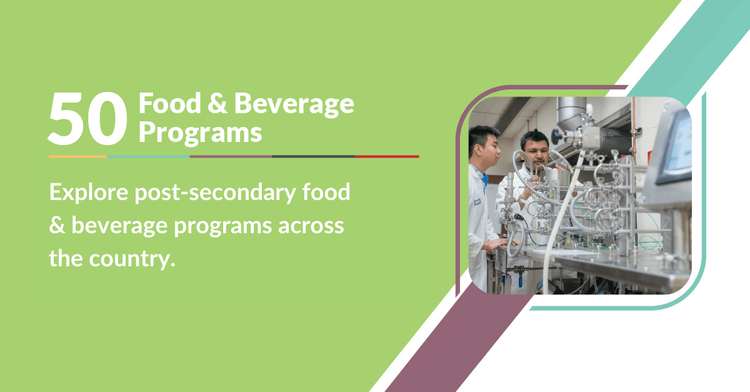
Canada is home to a diverse and dynamic food and beverage industry, supported by educational programs that train the next generation of chefs, brewers, entrepreneurs, and innovators. This roundup highlights 50 standout programs across the country, from top culinary schools and hospitality management courses to cutting-edge research initiatives and sustainability-focused training. Whether you're an aspiring professional, educator, or industry enthusiast, these programs provide valuable insights into the evolving world of food and drink in Canada. BC & Yukon Vancouver Community College UBC BCIT LaSalle College (Vancouver) UBC: Food, Nutrition, and Health Okanagan College Vancouver Island University University of Fraser Valley Northern Lights College North Island College Yukon University Selkirk College Thompson Rivers University Kwantlen Polytechnic University Prairies Saskatchewan Polytechnic University of Alberta University of Saskatchewan University of Manitoba SAIT NAIT Manitoba Institute of Trades & Technology International College of Manitoba Ontario Niagara College Humber College Le Cordon Bleu Ottawa George Brown College Fanshawe College Brock University University of Guelph Toronto Metropolitan University Loyalist College Georgian College Conestoga College Durham College Centennial College Canadore College Algonquin College Trent University St. Lawrence College St. Clair College Sault College Lambton College Confederation College Quebec McGill University LaSalle College Bishop's University Atlantic Canada University of PEI Memorial University Cape Breton University
Community Manager-
50 Food & Beverage Programs - Vancouver Island University
Crafting a Career in BC ’ s Wine Industry: VIU ’ s Wine Business Program The Wine Business program at Vancouver Island University is a comprehensive one-year certificate course designed for those passionate about pursuing a career in the BC wine industry. The program combines practical experience with academic learning in viticulture, wine business practices, marketing, and tourism. Program Highlights: As a student, you ’ ll have the chance to immerse yourself in hands-on experiences at local vineyards and wineries, gaining insights into the entire winemaking process. This practical foundation is then complemented by academic courses in viticulture, wine business practices, marketing, and tourism. A standout feature of this program is its flexibility. Whether you ’ re looking to study full-time for a year or prefer a part-time option spread over two years, VIU has you covered. Located in picturesque Nanaimo, BC, VIU provides an ideal setting for your wine education journey. With a curriculum designed to integrate viticulture essentials with business acumen, VIU ’ s Wine Business program offers a holistic understanding of the wine industry. Students can also earn credits that can be applied toward a Bachelor of Business or a Hospitality and Tourism Management program, opening doors to a wide range of future career prospects. The program includes seven courses and focuses on the broader aspects of the wine industry. In addition to viticulture and winemaking, students delve into wine marketing, exporting, and the vital role of wine tourism. C ourses cover a wide spectrum, from wine marketing and appreciation to beverage theory and the management of wine tourism. The program also offers elective courses in consumer behavio u r, entrepreneurship, and festival management . What You’ll Leave With: Upon graduation, a world of opportunities awaits you in BC ’ s wine industry. Whether you dream of managing a vineyard, excelling in wine s ales and marketing, or even opening your own restaurant, VIU ’ s Wine Business program provides the knowledge and skills to make your wine-related ambitions come true. Career options span winery/vineyard management, retail sales, wine marketing representation, hotel management, culinary arts, a gri - tourism development, and s pecial events coordination. V ideo/Social / Media : VIU YouTube Video
Community Manager-
Cellular Food in Canada
The past few years have proven how susceptible Canada’s food industry is to world events, supply chain disruptions and climate changes. New food production technology, such as cellular agriculture, has the potential to alleviate some of these challenges, while creating commercial opportunities and building a more sustainable, resilient food system. What is it? Cellular food – also known as engineering biology, synthetic biology or cell-cultivated products – is the production of food and textile products without using animals or land. Cell cultures harvested from animals, plants or micro-organisms are grown in the lab through tissue engineering or precision fermentation to produce: Cultivated proteins such as chicken, beef and seafood Fermented products like dairy, eggs, honey and chocolate Ingredients to add to products to create hybrid foods including proteins, enzymes, flavour molecules, vitamins, pigments and fats Textiles such as leather, silk and wool Why you should care As global population continues to grow, so does demand for protein, while access to land and other resource inputs become more scarce. Alternative agriculture could be an answer to food scarcity, concerns about animal and environmental welfare, cost inflation and resource challenges due to climate change. Compared to conventional agriculture, cellular agriculture production, is much less energy intensive, produces less greenhouse gas emissions, and has a much lower overall carbon footprint. With our strong food infrastructure, reputation for food safety, biotechnical expertise, and federal support for alternative protein production, Canada is well positioned to become a leader in cellular agriculture. The 2021 report Cellular Agriculture: Canada’s $12.5 Billion Opportunity in Food Innovation from Ontario Genomics and the Food and Agriculture Institute at the University of the Fraser Valley found that the international cellular agriculture market will reach US$100 billion by 2032. Canada’s food industry has the potential to take $12.5 billion that market, while creating up to 142,000 high-paying jobs. Opportunities in Canada Engineered plant proteins are already in the Canadian market, and by all estimates, precision fermented products are expected to appear before cultured meat products. Current Canadian regulations consider food produced through cellular agriculture as a novel food, and products are approved on a case-by-case basis. Here are a few Canadian start-ups making headlines: Because Animals – This Toronto-based pet food company uses cultured ingredients such as probiotics and nutritional yeast to create nutrient-rich cat and dog food designed to help digestive issues. Future Fields – Edmonton, AB-based Future Fields is a R&D producing growth media products that can be used to create commercialized cultivated proteins in a safe and sustainable manner. Cell-Ag Tech – Toronto’s Cell-Ag Tech is doing R&D on cell-cultured fish and seafood. New Harvest International non-profit research institute New Harvest , which promotes the science behind cultured meat through research, funding and a conference , now has a Canadian branch.
Community Manager-
Other Articles
Explained: Food Processing Skills Canada
What It Is Food Processing Skills Canada ( FPSC ) is a non-profit organization dedicated to professionalizing the food and beverage manufacturing industry by providing leadership on labour, skills and workforce development . FPSC has developed a national skills strategy based on long-term approach es used in other professional sectors that builds on collaborations with industry, government, academia, unions, associations, community organizations and other stakeholders. What it Does FPSC is helping the food and beverage industry to remain competitive through : Research into the labour market to define the needs of the industry; Setting competencies by defining the skills needed by the industry; Training to increase the pool of workers with relevant skills; Accredited courses to increase relevant training for the industry; and Certifying professionals to increase long-term commitment to a career in food processing. The organization offers numerous resources to support talent attraction and retention, skills training , and education to career pathways. That includes events , a Succeeding at Work program that train s job seekers and matches them with employers, and the Food Skills Library . The library lists areas of work in the food manufacturing industry, job descriptions and competencies, national occupational standards, skills manuals and essential skills for different jobs, courses, certifications, assessments, and career ladders in different sectors. FPSC also operates the Canadian Food Processors Institute . D esigned for food professionals, food and beverage companies, and newcomers to the industry , the Institute offers resources such as e - learning courses and good manufacturing practices . Why You Should Care According to FPSC , the food and beverage manufacturing industry will require 65,000 more employees by 2025 in order to meet consumer demands. At the same time, t he vacancy rate in the industry is approximately 3.8% higher than the overall manufacturing sector ’s 3% vacancy rate , and one-fifth of that workforce is aged between 55 and 64, meaning that many of these employees will be eligible to retire within the next decade. What Else you Need to Know The organization collaborates with provincial and national food industry associations; post-secondary institutions; and community, immigration and food industry leaders. Employers and food and beverage manufacturing professionals can also participate in the Rapid Results Panel . The panel gathers real-time labour market information, while offering participants early access to surveys and reports, as well as access to the HR Ready Portal featuring learning tools and resources.
Community Manager-
50 Food & Beverage Programs - Acadia University
Feeding Wellbeing and the Environment: Acadia University's Holistic Approach to Nutrition and Dietetics Explore the impact of food, nutrition, and dietetics on wellbeing and the environment. Acadia University's School of Nutrition and Dietetics , established in 1928, offers a comprehensive and multidisciplinary approach. The curriculum supports career pursuits in nutrition, dietetics, or health professions like medicine, physiotherapy, nursing, and dentistry. Emphasizing food science, food product development, current nutrition, and dietetics issues, the program prepares students to work effectively in diverse settings. P rogram Highlights: The Bachelor of Science in Nutrition degree encompasses physical and social sciences, focusing on food, nutrition, and professional skills. Graduates are prepared for careers in nutrition, dietetics, health professions, food science, food industry, and foodservices. The Dietetics Option program, accredited by the Partnership for Dietetic Education and Practice (PDEP), enables eligibility for registration with a provincial dietetics regulatory body after completing an accredited dietetic internship or practicum program. Acadia offers two practicum streams (graduate and integrated), providing real-world experiences and industry insights. First Semester Courses: BIOL 1813, CHEM 1013 and 1010L, NUTR 1313, NUTR 1333 and 1330L, PSYC 1013 Second Semester Courses: CHEM 1023 and 1020L, NUTR 1323, NUTR 1343 and 1340L, PSYC 1023, English Elective Program O bjectives : Develop professional communication skills. Enhance critical thinking and client-centered approaches. Foster teamwork, community service, and leadership. Stay abreast of emerging research. Prepare students for diverse career choices and ethical conduct. D ietetic Practicums and Real-World Experience Opportunities for practical experience through the Dietetic Practicum Program, Centre for the Sensory Research of Food, and cooperative education options. W hat You’ll Leave With : Career opportunities in various sectors like healthcare, public health, education, food and agriculture, food product development, foodservice management, journalism, policy development, and more. K ey People : Faculty & Staff: Dr. Jennifer Brady : Associate Professor Dr. Liesel Carlsson : Associate Professor Lynn Coleman : Administrative Assistant Dr. Matt Durant : Professor Prof. Laurel Ettinger : Instructor Connie Foote : Interim Director Dr. Mojtaba Kaviani : Associate Professor Dr. Matt McSweeney : Associate Professor and Director of the Centre for the Sensory Research of Food Dr. Catherine Morley : Teaching Affiliate C ontact Info rmation : School of Nutrition and Dietetics, Acadia University Address: P.O. Box 68, 12 University Avenue, Huggins Science Hall, Wolfville, Nova Scotia, Canada, B4P 2R6 Telephone: (902) 585-1366 Fax: (902) 585-1637 Email: nutr@acadiau.ca V ideo/Social/Media : Program Youtube Video Acadia University Youtube Page Acadia University Instagram Page
Community Manager-
Thursday Thought on Foodtech: The Intersection of Neuroscience and Food
Have you ever wondered why certain foods evoke strong emotional reactions in you? Why do you find comfort in eating chocolate but feel indifferent about lettuce? What is it about cauliflower or Brussel sprouts that makes you dislike them so intensely? How do my childhood memories influence my current food choices? Why does the aroma of freshly baked bread make me feel nostalgic and happy? These questions highlight the complex relationship between our neural responses and our food experiences, revealing the deep connections that shape our dietary habits. Enter Thimus , an international member of CFIN that delves into the interplay between our brains and our taste preferences, a critical factor for food developers. Thimus is pioneering methods to quantify how we emotionally respond to what we eat. Their T-Box offers insights that can transform product development and marketing strategies in the food industry. I had the opportunity to email interview @Mario Ubiali , CEO and founder of Thimus, and have compiled his responses that provide a glimpse into the innovative work they are doing at Thimus. To start, can you introduce yourself, Mario, and tell us a bit about your background and what Thimus is all about? My name is Mario Ubiali, I’m 51, and I was born and raised in a rural area in the North of Italy. I started out my adult life as a philosophy Major from the University of Parma and I went on to become a small entrepreneur, in line with my father’s family tradition (4 generations). I have been a small entrepreneur for 22 years now, with a successful exit completed in 2014 and now this amazing adventure with Thimus that gives me the opportunity to merge an interest for humans, with some of the most cutting-edge science available. We have worked very hard (and still do) to use sensory neuroscience to uncover objective data on emotional and cognitive response to food experiences. How does Thimus uncover the emotional connections we have with our favourite foods through neuroscience? The process is quite straightforward, at least in principle. We utilise a device that is very well-known in scientific research: the electroencephalogram (EEG). This device captures the brain’s electrical activity, which is fundamentally the very sign of brain processes happening. We have created a very agile, portable platform called the T-Box, that digitises implicit brain responses of humans experiencing food. Once we capture that electrical signal, we use proprietary algorithms to clean it, aggregate it, and analyse it. The output is a series of easily readable emotional and cognitive metrics: implicit liking, familiarity, relaxation, and emotional engagement. We already know what happens when humans eat and drink, but the big news is that we can now measure their implicit response and create quantifiable KPIs for product development and testing. What are some surprising emotional reactions you've found in your research on how people experience food? I think the surprising but also encouraging emotional reactions we have found are all connected to humans attaching meaning and emotion to what they eat. We have seen the brain react to food experiences in a highly positive way when the plate was, for example, prepared by somebody they have a good relationship with. We have seen enhanced emotion in sharing food with others, an aspect that I think must induce the food and beverage industry to reflect on how food can be created with a meaning, with a differentiation to diverse humans. I know it sounds romantic and complicated, but ultimately if food manufacturers can make people feel like taken into consideration, it would make their business extremely successful. How can food companies use Thimus' insights to create products that deeply resonate with their customers? By testing their products while they are developing formulations, packaging, use cases. Inserting sensory neuroscience in early stages of product design allows iterating two or three times and fine-tuning the response we would like to see in customers. Imagine that I am a food company and I see that emotional engagement is low and implicit acceptance is low, maybe I am seeing this response in the aftertaste of my product, or maybe in the visual approach. This allows me (as a food company) to intervene and improve what doesn't work. In the end, it’s a design thinking approach supported by advanced neuroscience! How do personal and cultural backgrounds shape our emotional responses to food, and how does Thimus explore these differences? Personal and cultural backgrounds greatly shape our emotional responses on several levels. On a purely physiological level, recent epigenetic studies demonstrate that our sensitivity to certain taste is a product of the food habits of our parents and grandparents . So in a way, we tend to have a predisposition to enjoy what's in the culture of our family and our familial habits. On the other hand, there is how we experience food, who prepares it for us or with us, the memories built around it, the way we use it for sharing and bonding: all of these elements concur to our overall emotional response to food. Our brain implicitly react to food as the progressive stratification of experiences, memories, sensorial stimuli, cultural influences, epigenetic and genetic inheritance, etc. It’s a beautiful, complex, ramified piece of our body where our most valuable assets are generated: emotion and meaning. What ethical considerations does Thimus address when using neuroscience to study and influence consumer experiences with food? It’s a very complex question. On one hand, I want to say up front that anyone volunteering to use our technology in a panel is very aware of the technology, of the data we collect, why and how. Information and transparency are the number one step in the journey. As per the use that corporates make of data, it’s an old dilemma: are we selling a hammer to somebody with mean intentions? For Thimus, what matters the most is that, by using the T-Box, food corporations are learning that implicit data is very solid and objective . Many times, they don’t see what they hope to see and they have to get used to sticking to objective measurement. So the data is educating and shaping the way they can use it. Manipulation today is mostly coming from other sources: choosing certain ingredients, pushing on messaging and marketing, leveraging social pressure. We are only providing an amazing new tool to enter a completely new layer of information . In doing so, we are strongly encouraging companies to understand the complexities of human food emotion and therefore to care for improvements to their products that would cater to it. Finally, we want to make sure the T-Box is 100% accessible even to small players, startups and academia. That’s why in 2024 we have been building an international network of special places where F&B players can find our technology for them to use it without being asked to purchase a full license. These places are called House of Humans and we are partnering with amazing entities and announcing the openings in Valencia (Spain), Milan (Italy) and Wageningen (Holland). We are receiving lots of international interest towards this format, because local partners can really offer something unprecedented to their stakeholders. We are in fact open to discussing with interested parties in Canada, if anyone reading this is enticed! Thursday Thought on Foodtech is an experimental column or post co-written between my colleague @Lavina Gully and myself. We may use generative AI tools to research and enhance the content. When content from AI tools is used, it is credited in the post. Follow us every Thursday for more thoughts on Foodtech, after our 2024 summer break! Disclaimer : None of the organizations, companies, or products mentioned in this article are sponsors of this content.
Community Manager-
Profile - Cronometer Software
This is one in a series of interviews with CFIN member companies that have successfully applied for and received funding . Revelstoke, BC- based Cronometer Software Inc. received $47,378 in funding for a project titled AI Food Suggestions. We spoke with Brendan Benson, senior project manager at Cronometer , to find out more about the company and its project. Q: Please explain what your company does and how your products are improving the food industry? A: Cronometer is a nutrition tracking app that prides itself on being the most accurate and comprehensive tracker on the market today. Unlike our competitors, we primarily source our nutrition data from lab-analyzed sources such as the NCCDB or USDA. Users can enter what they eat and drink into the app, and in exchange, we supply nutrition information on up to 84 different nutrients from protein to choline – all free of charge. Cronometer can be used by anyone on any diet and is often leveraged to ensure adequate nutritional intake. Legally, food production companies are not required to print an exhaustive list of every nutrient on their nutrition labels. Although each branded product entry in our database is verified by a staff member, missing nutrition information on the label itself can lead to less accurate data. We are continually developing features and algorithms to try to fill that gap. For example, we recently released a feature that we like to call “Better Alternative Backfill ,” which is an algorithm that takes nutrition data from packaged nutrition labels, finds a similar entry from our more comprehensive, lab-analyzed database and automatically fills in the missing nutrient information. Q: What is your company’s mission? A: Our mission at Cronometer is to help millions of people improve their health by empowering them to track, measure and learn, delivering the best data and tools to accomplish this. Q: Why did you apply for this funding and how will you use it? A: We applied for CFIN booster funding to help cover the cost of a strategically important R&D project called AI Food Suggestions. The goal of the project is to replace our outdated Food Suggestion feature in our mobile and web app with an AI - powered Food Suggestion feature. The feature will generate personalized suggestions to help users meet their remaining calorie and nutrient targets for the day. Food Suggestions will be generated based on recently logged foods, selected filters, and user inputs. Q: What excites you most about working in this area of the food industry? A: At Cronometer we like to think of ourselves as nutrition data nerds. We are excited about supplying our users with personalized, accurate data and appreciate the power that these insights can hold. New Artificial Intelligence technology has opened up even more possibilities to have a positive impact on our users ’ health and wellbeing and we can’t wait to make it even easier to make healthy and informed decisions. Q: Why is collaboration so important for accelerating innovation in the food industry? Is it difficult to find good collaborating partners, and what would make the process easier? A: Fostering collaboration is essential to driving innovation in the Canadian food industry. We have many different partnerships ranging from collaborations with local doctors and dietitians to wearable device partners like Garmin and WHOOP. These partnerships are key in helping us offer a holistic health tracking approach centered around nutrition. Despite the challenges in forging partnerships within a competitive market, we utilize conferences, academic connections, and professional networks to identify aligned collaborators. Having established communities and organizations like the Canadian Food Innovation Network makes it easier to connect with other industry leaders based i n Canada. Q: Please comment on the importance of public funding to help companies clear innovation hurdles and access leveraged funds. A: In the competitive landscape of health and nutrition tracking technology, public funding is key for Cronometer to navigate innovation challenges and propel our growth. We compete in a crowded space made up of American companies that are supported by heavily funded venture capital firms. Public funding has helped us grow the team and pursue innovative R&D projects that otherwise wouldn’t have been possible. Q: Looking ahead, what’s on the horizon for your company? A: Looking ahead, Cronometer is poised to redefine the landscape of nutritional insights. We are focused on harnessing the power of AI to provide our users with personalized, actionable nutrition advice tailored to their unique health goals and dietary preferences. As these AI-driven features and services evolve, Cronometer is set to become not just a tool for tracking, but an intelligent personal nutrition assistant, helping Canadians and users worldwide achieve their health and wellness objectives with unprecedented precision and ease. Q: What are your passions or hobbies outside of work? A: With our headquarters located in the small-town of Revelstoke, BC we have endless options for staying active. Our team enjoys skiing and boarding during the winter months and group bike rides and climbing during the summer! Q: If you had to pick one person to make you a meal, who would you choose? A: Guy Fieri.
Community Manager-
50 Food & Beverage Programs - Trent University
Sustainable Agriculture and Food Systems at Trent University: Cultivating a Greener Future Trent University in Peterborough, O N , offers a pioneering program in Sustainable Agriculture and Food Systems (SAFS). This program is designed for students passionate about understanding and reshaping the food and agriculture systems toward more sustainable practices. Program Overview: The SAFS program at Trent University equips students with a comprehensive understanding of the interconnections between agriculture, food production, distribution, and consumption. This program is available as both a Bachelor of Arts (B A ) and a Bachelor of Science (B Sc ), providing students with options to focus on either the social, political, and economic aspects or the scientific dimensions of sustainable agriculture. Specializations and Degree Options: B A (Honours) in Sustainable Agriculture and Food Systems B Sc (Honours) in Sustainable Agriculture and Food Systems Specialization in Small-Scale Farming available for both degrees. Unique Features and Experiential Learning: Hands-On Learning: Opportunities to work on the Trent Farm and in rooftop gardens. Experiential Opportunities: Intensive Small-Scale Agriculture Field Course and resources and connections with industry experts. Real-World Application: Courses focus on issues like small-scale food production and local food movements. Program Structure: The SAFS program offers a blend of interdisciplinary core courses and specialized courses in various disciplines such as Anthropology, Geography, History, and Indigenous Studies. Honours BSc Degree: Focuses on the science of agricultural production and food consumption. Honours BA Degree: Concentrates on the social, political, economic, and cultural dimensions of agriculture and food. Career Prospects and Opportunities: Graduates are well-prepared for diverse careers in organic farming, agro -tourism, agricultural research, nutrient management planning, soil and water analysis, and international agricultural development. Trent’s SAFS program opens doors to a range of job opportunities in a growing field, including positions in sustainability studies, environmental sciences, and social research. Key Faculty and Research: Faculty from the Trent School of the Environment. Dr. Stephen Hill, Associate Professor and Director, Trent School of the Environment. Student Experience: Hear from students like Helen McCarthy on the unique aspects of Trent’s SAFS program. Engage in student-run initiatives and clubs related to sustainable agriculture. Admission Requirements: OSSD or equivalent, including Grade 12 English and Grade 11 Math. Application details and deadlines are available on the program link. Video and Social Media : Explore student experiences and insights into the program through YouTube videos . Stay connected with Trent University on Instagram , LinkedIn , Twitter , and Facebook . Contact Information: Program Coordinators: David Beresford and Karen A. Thompson Trent School of the Environment, Trent University, Peterborough, Ontario, Canada Email: tse@trentu.ca The SAFS program at Trent University is not just an educational journey but a transformative experience, preparing students for impactful careers in sustainable agriculture and food systems. The program’s interdisciplinary approach, combined with hands-on learning opportunities, makes it a unique and valuable choice for students committed to creating a sustainable future.
Community Manager-
#AskLavina - Food & Beverage Trends, and the Difference Between a Spoilage Organism and a Pathogen (May 2024)
In addition to being CFIN’s Regional Innovation Director for BC and Yukon, Lavina Gully is a food scientist and product developer with almost two decades of experience helping food and beverage companies innovate. In this series, Lavina answers questions from CFIN members on everything from product development, R&D, manufacturing best practices, and co-packing – just to name a few! If you have questions for Lavina, you can reach out to her directly and we can answer your question in next month’s mailbag. This month, Lavina answers your question s about keeping up with food and beverage trends , and the difference between a spoilage organism and a pathogen. Q: Trend predictions change so often. What’s the best way to stay on trend without completely changing our product lineup ? A: When considering food and beverage trends, it’s important to be able to identify trends with staying power over fads with short - lived appeal . While all trends have a lifecycle, there are macro themes which develop more slowly and arc over a longer time period , and which ultimately have mass appeal. For instance, increased consumer interest in health and wellness or convenient snacking are broad macro themes. Within these arcs are trends that follow their own lifecycle, from initial interest by early adopters, to a rise in popularity, followed by mainstream acceptance, and then saturation. So a trend with staying power within the health and wellness theme might be products designed for gut health. Lasting trends also tend to reinvent themselves – just look at the continued popularity of low- carb, high protein diets such as Atkins, paleo, or keto. On the other hand, fads tend to hit the market with high consumer interest, but often fade as they have only short-term or limited appeal. Think about the sudden interest in dalgona coffee during COVID -19 lockdowns , or the initial media frenzy around the cronut, which spawned a range of hybrid bakery treats, including today’s more popular flat croissant . So it’s essential to take some time to consider if what you’re considering is a longer-term trend, and where it is on the trend lifecycle , or if you’re looking at a fad. Once you’ve identified a trend you’d like to jump on, do your research – evaluate industry reports, consumer surveys, and social media . You will also have to consider whether th at trend makes sense for your brand and your customers. Choose trends that naturally align with your brand identity, values, and product offerings to ensure consistency and authenticity in your product lineup – d on’t compromise the integrity of your brand for the sake of following trends . Instead, consider innovat ing within your company niche and incorporate trends into your product line, rather than overhauling your entire portfolio. This could involve introducing new flavo u rs, ingredients, packaging designs, or product formats that resonate with consumer preferences. Think about how any new products will fit with your current lineup, and whether they will be limite d offering s or several rotating on-trend products. Finally, b efore fully committing to a new product, consider testing it with a smaller audience , in controlled markets , or through limited release s to gauge customer response . U se that feedback to iterate and refine your offerings, ensuring they meet both trend-driven demands and your brand standards . Above all, stay f lexible in your approach, and be willing to adapt as consumer tastes evolve. Q: I know that microorganisms can affect the shelf life of products, but I’m also worried about pathogens. What is the difference between a spoilage organism and a pathogen, and how would control measures be similar or different? A: I asked Nicole Detlor, Director, and Cynthia Riddle, Food Science Researcher, at Conestoga College Food Research & Innovation Lab , for their input on this question (you can also read Nicole’s interview with CFIN’s Nestor Gomez about shelf life here ). While noting that they are answering the question from a perspective of product developers rather than microbiologists, here’s what they had to say: Pathogens are specific types of microorganisms that can cause foodborne illness or in extreme cases, death, if ingested. They can grow under many different conditions including refrigeration (such as Listeria monocytogenes ). In general, the presence of pathogenic bacteria in food is not detectable visually, or by smell or taste. Spoilage microorganisms are different from pathogens in that they do not usually cause illness and grow in a much wider range of conditions than pathogens. Excessive quantities of spoilage microorganisms can cause food to develop unpleasant flavours, odours and textures. The visible presence of mould is an example of a spoilage microorganism. To validate that a product does not support pathogenic growth (or in some cases that the preservation system will reduce the presence of pathogens), a specific type of shelf-life study known as a “challenge study” is used. This study intentionally introduces pathogenic bacteria in very lab-controlled conditions to validate the performance of the preservation system (process, ingredients, etc.). CFIA provides useful guidance on this type of testing in Listeria monocytogenes Challenge Testing of Refrigerated Ready-to-Eat Foods and there are organizations that can support this testing. Some control measures for spoilage and pathogenic microorganisms are similar, since they can grow under similar conditions. Temperature control is a common control measure for pathogens and spoilage microorganisms. Thermal processing, such as pasteurization, is designed to eliminate pathogenic microorganisms, and reduce spoilage microorganisms. An example of this is pasteurised fluid milk that with time will eventually spoil. The process of commercial sterilization is also a thermal process but eliminates all pathogens and spoilage microorganisms due to the higher temperatures and longer times compared to pasteurization. Refrigeration or freezing can slow the growth of all microorganisms, but does not significantly reduce their numbers if they are already present. Other processes such as high - pressure processing can eliminate the presence of both spoilage and pathogenic microorganisms, but does not inactive spores. As product developers, we consider pH and water activity control as two formulation methods to reduce the risk of pathogenic bacteria growth. Below specific pH and water activity levels, pathogenic bacteria are unable to reproduce. Spoilage microorganisms have wider ranges of pH and water activity at which they can grow, but control of pH and water activity can still be used to prevent their growth. Preservatives can also be used to limit the growth of pathogens and spoilage microorganisms. The types of pathogens and spoilage microorganisms that may affect a product are usually specific to that type of food. For example, the spoilage microorganisms that are more likely found in milk are different from the ones that are more likely to cause spoilage in baked goods, and the pathogens more often found in raw eggs are different from the ones that are more often found in produce. The processing environment, production process, packaging and storage conditions will also determine which pathogens and spoilage microorganisms are likely to be the biggest concerns. All these factors should be considered when determining which microorganisms are likely to affect a product, and subsequently controls for each of these factors should be put in place to ensure the product is safe to consume, and looks, smells and tastes like it should throughout its shelf life.
Community Manager-
Charting New Terrain: Canada’s Draft Sustainability Disclosure Standards for Listed Companies
By: Brett Wills - Founder, CarbonOne Given the lightning speed of change around Carbon Reporting Requirements, it can be difficult to keep up with the latest developments. As the CEO of Canada’s Trusted Partner for Carbon Intelligence, CarbonOne , our company is committed to keeping Canadian Food and Beverage companies up to speed. We’ve been following the latest developments in the Carbon Reporting Space closely and recently there was a major development companies need to be aware of. Here’s a recap of what’s happening: On March 13, 2024, the Canadian Sustainability Standards Board (CSSB) released a draft of the proposed sustainability disclosure standards for publicly listed companies in Canada. The standards are based on the International Sustainability Standards Board (ISSB) S1 & S2 Standards modified for a Canadian context and require listed entities (including Canada's major Grocery Retailers) to report carbon emissions annually. Why It Matters to All Food and Beverage Companies: While the standards will apply to listed entities such as retailers, the inclusion of Scope 3 means that suppliers to these entities, listed or not, are very likely to be required to report the carbon footprint of their products. When and how this will happen is still unclear but will likely be quickly determined by the entities required to report. Given the relatively quick timeline, Canadian Food and Beverage companies are well advised to start preparing now to stay competitive in today's Circular, Net Z ero world. What's in the Draft? The Canadian Sustainability Disclosure Standards (CSDS) are divided into two key sections: CSDS 1: General Reporting Requirements CSDS 2: Climate-Related Disclosures CSDS 1 lays out the general reporting requirements based on a set of Core Content: Governance: Requires disclosure on Processes used to monitor , manage, and oversee sustainability-related risks & opportunities (R&O). (The Canadian Sustainability Standards Board [CSSB], 2024a) Strategy : Requires disclosure on how the reporting entity manages sustainability-related R&O. Risk Management: Requires disclosure on the process to identify , assess, prioritize and monitor sustainability-related R&O. (The Canadian Sustainability Standards Board [CSSB], 2024a) Metrics & Targets: Requires disclosure on various metrics and targets that allow users of Financial Reports to understand an entity’s performance concerning its sustainability-related R&O. (The Canadian Sustainability Standards Board [CSSB], 2024a) It is important to note that CSSB has proposed modifications to ISSB Standards that will allow for a deferral of non-climate-related disclosures for 2 years. CSDS 2 is based on a similar set of Core Content but more granular and specific to climate-related risks and opportunities. For example, Governance & Strategy in CSDS is specific to disclosures on how an entity governs and manages climate-related R& O.( The Canadian Sustainability Standards Board [CSSB], 2024b) There are also specific disclosures required on the effects of climate-related R&O on the entity’s Financial Performance in the short, medium and long term. (The Canadian Sustainability Standards Board [CSSB], 2024b) Further, CSDS 2 also defines what specific climate-related metrics and targets must be disclosed which include: Scope 1: Direct emissions from company-owned or controlled assets. Scope 2: Indirect emissions from the use of purchased electricity and steam. Scope 3: Indirect emissions from the supply chain and across the value chain. (Forba Retailer, Category 1: " Purchased Goods and Services" includes products Purchased and sold in Stores or other Distribution Channels). (The Canadian Sustainability Standards Board [CSSB], 2024b) It is important to note that the CSSB has proposed a modification to the ISSB S2 standard for CSDS 2 that would allow the deferral of disclosing Scope 3 emissions by 2 years to provide time for the market to prepare. Companies must also disclose several other climate-related metrics including but not limited to the % of assets or business activities vulnerable to climate-related physical risks, the amount of capital deployed toward climate, the internal price of carbon and how climate-related considerations are factored into executive remuneration . (The Canadian Sustainability Standards Board [CSSB], 2024b) Plus there's more - entities must also disclose details on any climate-related targets including any planned use of carbon credits. (The Canadian Sustainability Standards Board [CSSB], 2024b). Public Consultation & Timeline: The draft is open for public consultation until June 10, 2024. Following the consultation, the CSSB plans to review feedback and publish their findings in fall 2024. A final standard is expected by year-end. Once the standards are finalized by CSSB, the standards will be reviewed by the Canadian Securities Administrators for adoption across the Country. While the timing of adoption is unclear at this point, it has been stated by the CSSB that reporting could start as early as 2025 for the 2024 reporting ye ar. With a 2-year deferral allowance for Scope 3, reporting Scope 3 could begin as early as 2027 for the 2026 reporting year. CarbonOne intends to submit formal feedback and we would love to hear input from Canadian Food and Beverage companies to help inform a response. Any companies who would like their voices heard are welcome to contact CarbonOne directly . Are you looking to learn more about your Carbon Footprint or have questions about this article? Get in touch with us today at Carbon-one.ca. References The Canadian Sustainability Standards Board [CSSB]. (2024, March 13). CSSB Exposure Draft – Proposed Canadian Sustainability Disclosure Standard (CSDS) 1, General requirements for disclosure of sustainability-related financial information . FRAS Canada. https://www.frascanada.ca/-/media/frascanada/sustainability/documents/cssb-ed-csds-1.pdf?rev=b74b7632730445519561dd16ac2bca5b The Canadian Sustainability Standards Board [CSSB]. (2024b, March 13). CSSB Exposure Draft – Proposed Canadian Sustainability Disclosure Standard (CSDS) 2, Climate-related disclosures .FRAS Canada. https://www.frascanada.ca/-/media/frascanada/sustainability/documents/cssb-ed-csds-2.pdf rev=37dd7b66f4c049a5890502b5c852134d
Community Manager-
50 Food & Beverage Programs - Toronto Metropolitan University
BASc . Nutrition and Food at Toronto Metropolitan University: Nurturing Future Nutrition Experts Toronto Metropolitan University (TMU) in Toronto, O N , offers a comprehensive Bachelor of Applied Science ( BASc ) in Nutrition and Food. This full-time, four-year degree program, accredited by the Partnership for Dietetic Education and Practice (PDEP), prepares students for various career paths in nutrition and food sectors. Program Overview: The BASc Nutrition and Food program at TMU equips students with in-depth knowledge of nutrition, food, and health. The curriculum is interdisciplinary, combining science, nutrition, research, communications, and social science courses. It's designed for those who aim to promote healthy eating habits and enhance the quality of life in Canadian communities. Professional Accreditation and Industry Recognition: Accredited by the Partnership for Dietetic Education and Practice (PDEP). Recognized by Canadian Institute of Food Science and Technology, Canadian Association of Food Service Professionals, Ontario Home Economists in Business, and the Ontario Family Studies/Home Economics Educators Association. Curriculum Highlights: Diverse Academic Options: The program includes courses in science, nutrition, research, communications, and social science. Professional Education: Offers Chang School certificates in Food Security or Gerontology. Liberal Studies: Broaden perspectives with courses in history, sociology, geography, etc. Research Opportunities: Engage in hands-on learning in labs like the Nutrition Discovery Labs and the Centre for Studies in Food Security. Student Groups: Get involved with Nutrition Course Union and Diabetes Canada at Ryerson for extra-curricular activities. Career Opportunities: Graduates can pursue careers in food styling, nutrition consulting, health promotion, food inspection, and more. They are well-prepared for roles in foodservice, the food industry, community agencies, government, marketing and promotion of food products, and even graduate studies. Program Profile: Duration: Four years for a BASc degree. Structure: Includes two years of foundational courses and a wide range of electives. Research Concentration: Option to specialize in Nutrition and Health Research. Global Opportunities: Student exchange programs and international summer programs. Liberal Studies Requirement: Essential for a well-rounded education. Key Classes and Features: Interdisciplinary Foundation: Courses in physical and biological sciences, nutrition, food science, marketing, research methods, and more. Research Focus: Independent research through a concentration in Nutrition and Health Research. Flexibility: Pursue Minors or Certificates in areas like Food Security, Gerontology, Psychology, Marketing, and Family Supports. Key Faculty and PAC: Dr. Fiona Yeudall : Director of the School of Nutrition. Program Advisory Council (PAC): Includes experts like Honey Bloomberg (Team Lead, EatRight Ontario) and Cristina Cicco (Project Coordinator, College of Dietitians of Ontario). Contact Information: School Location: Daphne Cockwell Health Sciences Complex, Toronto. Phone: ( 416 ) 979-5074 Email: nutrition@torontomu.ca Video/Social/Media: Explore student experiences through this YouTube video . Follow the Nutrition Course Union on Instagram . Toronto Metropolitan University's BASc Nutrition and Food program is an excellent choice for those seeking a robust and multidisciplinary education in nutrition and food, preparing them for diverse professional pathways in this vital field.
Community Manager-
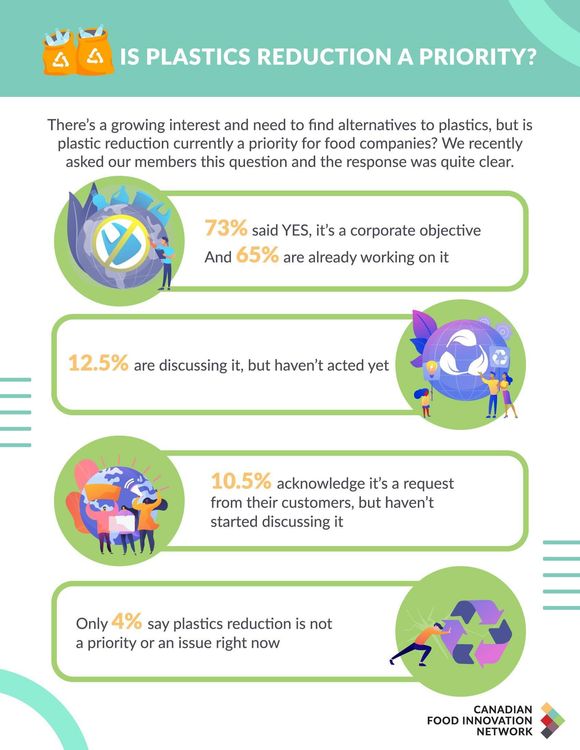
Is Plastic Reductions a Priority?
CFIN's recent plastics use survey asked members if reducing plastic and plastic waste in their operations was a priority for their company. Here's what they told us:
Community Manager-
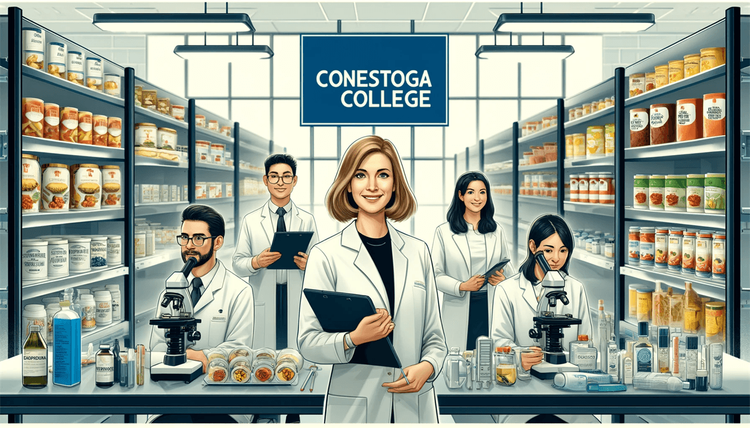
Understanding Food Shelf Life: Insights from Conestoga College
Recently, a couple of CFIN members reached out to our YODL community looking for food shelf life evaluation test laboratories and service providers in Canada. The support from our community was immediate, as usual. I'm a nerd by nature, but an IT nerd nevertheless, and this topic sparked my curiosity to learn more about food shelf life studies, a critical aspect of the food industry. So I connected with @Nicole Detlor , the Director of Conestoga College's Food Research & Innovation Lab, a renowned institution that provides innovative solutions and research to help Canadian food processors extend the shelf life of their products. Nicole graciously agreed to answer a few questions and share her expertise: What are the key factors you consider when designing a food shelf-life study? The first thing we do is to figure out the likely mode of shelf-life failure. This depends on many factors such as product pH , water activity , processing , packaging , storage conditions and ingredients – the complete product needs to be considered. How do you customize your shelf life studies to meet the specific needs of different types of food products? The likely mode of shelf-life failure will be unique for each food product and it’s important that we understand this first, so we don’t miss anything. Based on this we make a plan to measure how these factors may change over the course of the shelf-life of the product, using laboratory methods wherever possible. This may include parameters such as: microbial spoilage , fat oxidation or colour change . It is important to have a control product to compare over the course of the shelf life. Sometimes accelerated shelf-life studies can provide results faster, but these methods do not always give reliable information, we must ensure the impact of acceleration is well understood. How do you ensure that shelf life tests integrate with food safety and quality regulations? Our first step is to review processing, measure pH and water activity so we understand the food safety of the product. If we have any concerns based on formulation and processing, we will address those first with our partner. Ideally we also want to do a shelf-life study on a product that has been produced under its final processing conditions. Can you provide examples of how your services have helped Canadian food producers improve their product shelf life? We’ve worked with many small and medium sized businesses to review their formulation and processing, to make suggestions to improve their shelf-life. Each approach is unique and needs to be tailored to the capability of the organization we are supporting. This could include suggesting natural preservatives , reducing pH , providing information about thermal processing or other novel processing techniques. What emerging technologies or innovations are you currently exploring at Conestoga Food Research & Innovation Lab? A significant area of interest right now is the changing regulations in packaging and their potential impact on shelf life of food products. We’ve conducted several shelf-life studies with packaging manufacturers to help them demonstrate and/or understand the impact of the novel packaging material on food products. There are some exciting innovations in packaging, and we’ve been very encouraged by the results achieved thus far. Nicole and her team are making significant strides in ensuring the food we eat is safe and lasts longer. Their dedication to innovation and quality is truly inspiring. Stay tuned for more insights and innovations in the food industry. If you have any questions or want to learn more about Conestoga College's services, reach out to Nicole at ndetlor@conestogac.on.ca . Related YODL Threads: https://www.cfin-rcia.ca/discussion/shelf-life-testing https://www.cfin-rcia.ca/discussion/shelf-life-testing-2 Thursday Thought on Foodtech is an experimental weekly column or post co-written between my colleague @Lavina Gully and myself. We may use generative AI tools to research and enhance the content. When content from AI tools is used, it is credited in the post. Follow us every Thursday for more thoughts on Foodtech and join Canadian Food Innovation Network's YODL community to connect with innovators coast to coast: https://yodl.ca/home Disclaimer : None of the organizations, companies, or products or mentioned in this article are sponsors of this content.
Community Manager-
50 Food & Beverage Programs - St. Lawrence College
Chef Training at St. Lawrence College: A Gateway to Culinary Excellence St. Lawrence College in Kingston, O N , offers an enriching Culinary Skills – Chef Training program through its School of Media, Art & Design. This one-year, full-time program, leading to an Ontario College Certificate, is perfect for aspiring chefs and those interested in the multifaceted world of culinary arts. Program Overview: The Culinary Skills – Chef Training program at St. Lawrence College is designed for individuals exploring culinary opportunities, delving into the business aspect of foodservice, or seeking a career change. The program emphasizes method-based, hands-on learning, facilitated by experienced chef instructors in a collaborative environment. Program Highlights: Teaching Restaurant: Students gain real-world experience at the on-campus restaurant Essence Dining Room. Expert Faculty: The program has a faculty with global experience, including chefs who have worked in prestigious hotels and Michelin star restaurants. Flexible Pathways: Students can transition seamlessly between a one-year certificate and a two-year diploma in culinary management. International Opportunities: Students have the chance to study in Barbados and Ireland, adding global credentials to their culinary education. Key Courses and Features: Culinary Techniques: Students learn a range of cooking techniques, from basic to advanced. Baking Foundations: The program covers essential baking skills. Culinary Math and Kitchen Management: These courses focus on the business and operational aspects of culinary arts. Apprenticeship Designations: Graduates complete theoretical requirements for the Cook Apprenticeship program in Ontario. Career Opportunities: Graduates can pursue various culinary roles, including prep cook, line cook, pastry cook, personal chef, food writer, kitchen designer, and more. Employment opportunities exist in restaurants, bars, hotels, catering companies, bakeries, and other culinary establishments. Admission Requirements: Ontario Secondary School Diploma (OSSD) or equivalent, including Grade 12 English and Grade 11 Math. For those missing prerequisites, enrollment in the Career/College Prep program is available. Student Experience and Testimonials: Graduates like Anthony Denard and Robert Waddell praise the program for its comprehensive approach and impact on their careers. Key Faculty: Chef Richard Hendy: rhendy@sl.on.ca or ( 613 ) 544.5400 , ext. 1395. Chef Leslie Leacy: lleacy@sl.on.ca or 613.544.5400, ext. 1027. Contact Information: For admissions information, contact Recruitment at St. Lawrence College. Video/Social/Media: Learn more about the program through YouTube videos , this video , and another here . St. Lawrence College's Culinary Skills – Chef Training program offers an excellent blend of practical skills, theoretical knowledge, and global exposure, making it an ideal choice for those seeking a dynamic and comprehensive culinary education.
Community Manager-
Canada's Advanced Manufacturing Cluster
Canada has an extensive range of research centres, food incubators, accelerators and labs supporting food and beverage innovation through the research they do and/or the services they offer. Each week throughout 2023, we’ll be highlighting an organization that’s supporting food innovation in Canada. Want to catch up? Click here to view our master list of foodtech resources. Name: Canada’s Advanced Manufacturing Cluster Location: Hamilton, ON Mission: T hrough Next Generation Manufacturing Canada ( NGen ) , the cluster’s goal is t o build up next-generation manufacturing capabilities, such as advanced robotics and 3D printing. Focus : The c luster is positioning Canadian companies to lead industrial digitalization, maximizing competitiveness and participation in global markets . The cluster’s technology focus includes I nternet of Things, machine learning, cybersecurity, and additive manufacturing (3D printing) . Services: There are several different program streams offered through the cluster. They include: High Potential Technology Development — Developing and scaling new technologies with significant commercial potential. Ground Breaking Process Transformation — Adopting advanced technologies to transform existing manufacturing processes. Technology Diffusion — Expanding the user base for new and unique applications of technologies developed in Canada. Ecosystem Development — Support for training, collaboration, and the development of tools and test beds. SME Capacity Building — Strengthening and scale up for SME partners. What you need to know: Some of the recent projects supported by the Advanced Manufacturing Cluster include the d evelopment of bacterial frameworks for biomanufacturing of industrial and therapeutic products with partners Mediphage Bioceuticals Inc., Ardra Inc. ; g lobal l eadership in l ife s ciences by e nabling c ommercial s cale m anufacture of c ell and g ene t herapies ; and development of a m icro- p ower p lant a dvanced m anufacturing d emonstrator . Notable News: The impact of programs and services offered through the cluster are expected to include the creation of more than 13,500 jobs and more than $13.5 billion in GDP over 10 years. Get Involved: Contact NGen at info@ngen.ca, or through Bridget Bohan , director of the cluster accelerator. Or reach out to our Regional Innovation Director Linda Fox .