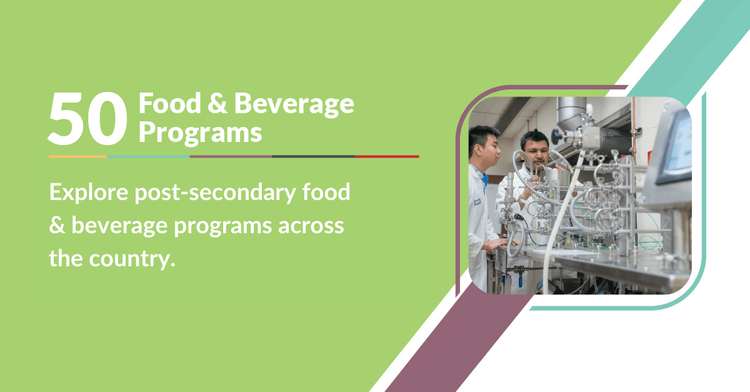
Canada is home to a diverse and dynamic food and beverage industry, supported by educational programs that train the next generation of chefs, brewers, entrepreneurs, and innovators. This roundup highlights 50 standout programs across the country, from top culinary schools and hospitality management courses to cutting-edge research initiatives and sustainability-focused training. Whether you're an aspiring professional, educator, or industry enthusiast, these programs provide valuable insights into the evolving world of food and drink in Canada. BC & Yukon Vancouver Community College UBC BCIT LaSalle College (Vancouver) UBC: Food, Nutrition, and Health Okanagan College Vancouver Island University University of Fraser Valley Northern Lights College North Island College Yukon University Selkirk College Thompson Rivers University Kwantlen Polytechnic University Prairies Saskatchewan Polytechnic University of Alberta University of Saskatchewan University of Manitoba SAIT NAIT Manitoba Institute of Trades & Technology International College of Manitoba Ontario Niagara College Humber College Le Cordon Bleu Ottawa George Brown College Fanshawe College Brock University University of Guelph Toronto Metropolitan University Loyalist College Georgian College Conestoga College Durham College Centennial College Canadore College Algonquin College Trent University St. Lawrence College St. Clair College Sault College Lambton College Confederation College Quebec McGill University LaSalle College Bishop's University Atlantic Canada University of PEI Memorial University Cape Breton University
Community Manager-
50 Food & Beverage Programs - Vancouver Island University
Crafting a Career in BC ’ s Wine Industry: VIU ’ s Wine Business Program The Wine Business program at Vancouver Island University is a comprehensive one-year certificate course designed for those passionate about pursuing a career in the BC wine industry. The program combines practical experience with academic learning in viticulture, wine business practices, marketing, and tourism. Program Highlights: As a student, you ’ ll have the chance to immerse yourself in hands-on experiences at local vineyards and wineries, gaining insights into the entire winemaking process. This practical foundation is then complemented by academic courses in viticulture, wine business practices, marketing, and tourism. A standout feature of this program is its flexibility. Whether you ’ re looking to study full-time for a year or prefer a part-time option spread over two years, VIU has you covered. Located in picturesque Nanaimo, BC, VIU provides an ideal setting for your wine education journey. With a curriculum designed to integrate viticulture essentials with business acumen, VIU ’ s Wine Business program offers a holistic understanding of the wine industry. Students can also earn credits that can be applied toward a Bachelor of Business or a Hospitality and Tourism Management program, opening doors to a wide range of future career prospects. The program includes seven courses and focuses on the broader aspects of the wine industry. In addition to viticulture and winemaking, students delve into wine marketing, exporting, and the vital role of wine tourism. C ourses cover a wide spectrum, from wine marketing and appreciation to beverage theory and the management of wine tourism. The program also offers elective courses in consumer behavio u r, entrepreneurship, and festival management . What You’ll Leave With: Upon graduation, a world of opportunities awaits you in BC ’ s wine industry. Whether you dream of managing a vineyard, excelling in wine s ales and marketing, or even opening your own restaurant, VIU ’ s Wine Business program provides the knowledge and skills to make your wine-related ambitions come true. Career options span winery/vineyard management, retail sales, wine marketing representation, hotel management, culinary arts, a gri - tourism development, and s pecial events coordination. V ideo/Social / Media : VIU YouTube Video
Community Manager-
Cellular Food in Canada
The past few years have proven how susceptible Canada’s food industry is to world events, supply chain disruptions and climate changes. New food production technology, such as cellular agriculture, has the potential to alleviate some of these challenges, while creating commercial opportunities and building a more sustainable, resilient food system. What is it? Cellular food – also known as engineering biology, synthetic biology or cell-cultivated products – is the production of food and textile products without using animals or land. Cell cultures harvested from animals, plants or micro-organisms are grown in the lab through tissue engineering or precision fermentation to produce: Cultivated proteins such as chicken, beef and seafood Fermented products like dairy, eggs, honey and chocolate Ingredients to add to products to create hybrid foods including proteins, enzymes, flavour molecules, vitamins, pigments and fats Textiles such as leather, silk and wool Why you should care As global population continues to grow, so does demand for protein, while access to land and other resource inputs become more scarce. Alternative agriculture could be an answer to food scarcity, concerns about animal and environmental welfare, cost inflation and resource challenges due to climate change. Compared to conventional agriculture, cellular agriculture production, is much less energy intensive, produces less greenhouse gas emissions, and has a much lower overall carbon footprint. With our strong food infrastructure, reputation for food safety, biotechnical expertise, and federal support for alternative protein production, Canada is well positioned to become a leader in cellular agriculture. The 2021 report Cellular Agriculture: Canada’s $12.5 Billion Opportunity in Food Innovation from Ontario Genomics and the Food and Agriculture Institute at the University of the Fraser Valley found that the international cellular agriculture market will reach US$100 billion by 2032. Canada’s food industry has the potential to take $12.5 billion that market, while creating up to 142,000 high-paying jobs. Opportunities in Canada Engineered plant proteins are already in the Canadian market, and by all estimates, precision fermented products are expected to appear before cultured meat products. Current Canadian regulations consider food produced through cellular agriculture as a novel food, and products are approved on a case-by-case basis. Here are a few Canadian start-ups making headlines: Because Animals – This Toronto-based pet food company uses cultured ingredients such as probiotics and nutritional yeast to create nutrient-rich cat and dog food designed to help digestive issues. Future Fields – Edmonton, AB-based Future Fields is a R&D producing growth media products that can be used to create commercialized cultivated proteins in a safe and sustainable manner. Cell-Ag Tech – Toronto’s Cell-Ag Tech is doing R&D on cell-cultured fish and seafood. New Harvest International non-profit research institute New Harvest , which promotes the science behind cultured meat through research, funding and a conference , now has a Canadian branch.
Community Manager-
Other Articles
50 Food & Beverage Programs - Yukon University
Culinary Arts Program at Yukon University: A Gateway to a Delicious Career Yukon University , located in Whitehorse, YK, offers an exciting one-year Culinary Arts program that provides hands-on training for aspiring chefs and culinary professionals. Program Overview: The Culinary Arts Certificate program at Yukon University is crafted to meet the growing demand for professionally trained cooks in various sectors of the hospitality industry. This program emphasizes practical learning in a commercial kitchen setting, preparing students for diverse culinary careers. Program Description: This program is designed to give students a comprehensive education in culinary arts, covering aspects from basic food preparation to advanced cooking techniques. Students will experience real-world culinary practices through various kitchen stations, each focusing on different culinary aspects. Program Length and Start: Duration: One-year certificate program Start Date: September Financial Aspects: Tuition fees are calculated per course credit. Additional costs include special knives, uniforms, textbooks, and proper footwear. Financial assistance and student awards are available to support educational and living expenses. Program Profile: Apprenticeship Levels: The program covers Apprenticeship Level I and Level II Cooks Exam. Successful completion may grant up to 1,040 hours credit towards a Cook Apprenticeship program. Transferability: Credits transferable to British Columbia college and university-college programs, NAIT, and SAIT. Courses: A range of courses covering various aspects of culinary arts, including baking, food safety, kitchen management, and more. Key Classes and Features: Hands-on training in a commercial-grade kitchen. Rotations through various culinary stations for diverse skills development. Participation in catering, banquets, and community events. Focus on Yukon First Nations Core Competency. Opportunities for practical experience and industry engagement. Key People: Gene Batten, Interim Director of Hospitality Services Ryan Cumming, Instructor of Culinary Arts Career Opportunities: Graduates are prepared for careers in hotels, educational institutions, care facilities, cruise lines, and more. The program’s practical focus ensures readiness for the culinary industry's dynamic and varied roles. Contact and Application Information: Canadian/Permanent Resident Applicants: Email admissions@yukonu.ca or call ( 867 ) 668 - 8710 ext. 1 International Applicants: Information available on the university's website for international student applications. Apply online for both Winter and Fall intakes. Social Media and Online Presence: YouTube: Yukon University Channel Instagram: @yukonuniversity Twitter: Yukon University Twitter Page Facebook: Yukon University Facebook Page Yukon University’s Culinary Arts program is an excellent stepping stone for those passionate about culinary arts and eager to make their mark in the culinary world. The program's unique northern Canadian perspective adds a distinctive flavo u r to the culinary education it offers.
Community Manager-
Company Spotlight – PLAN Automation Inc.
This is one in a series of profiles of CFIN members that have successfully applied for and received funding through CFIN’s Innovation Booster program . Bolton, ON-based PLAN Automation Inc. uses state-of-the-art X-ray technology to inspect clients’ products, separating good from suspect product, in order for clients to feel secure in releasing its products to market. This technology works with a variety of food and beverage and consumer goods and can flag various types and dimensions of foreign matter at line speed. PLAN Automation received $100,000 in funding towards its pilot of novel foreign matter reclamation technology for food and beverage products. CFIN sat down with PLAN Automation’s CFO Marcello LaGrotta to discuss the company. Q: What is your company’s mission? A: PLAN Automation Inc. seeks to continuously expand both its knowledge and category leading manufacturing and service base to provide clients large and small an exact equipment and service solution to their specific needs. Q: Why did you apply for this funding and how will you use it? A: Since its inception, PLAN has been a key partner to several food and beverage clients, providing goods and services designed to both improve the manufacturing process as well as keep our food supply safe. It came to our attention that to help serve as many clients as possible, PLAN needed to provide a reclaim service that was completely reliable, flexible (could be performed at the client’s site as well as at our facility), and cost effective. This funding will go a very long way in assisting PLAN in meeting these objectives, for the betterment of all our food and beverage providers. Q: What excites you most about working in this area of the food industry? A: Food and beverage is a necessity, and PLAN is proud to be a significant part of a safe and reliable food and beverage supply chain. Q: Please comment on the importance of public funding to help companies clear innovation hurdles and access leveraged funds. A: Public funding is critical to any Canadian SME participating in a very competitive market. PLAN has the potential to reach hundreds if not thousands of clients large and small and assist them in achieving their production and safety goals in a very cost-effective manner, which improves competitiveness for all Canadians. PLAN also employs a highly skilled workforce. Public funding allows companies like PLAN to stretch its workforce in ways that would otherwise not be possible. Q: Looking ahead, what’s on the horizon for your company? A: As a result of this funding, PLAN can continue its journey to reaching as many clients as possible with our novel solution to food safety. Q: If you had to pick one person to make you a meal, who would you choose? A: We surveyed all team members and the clear winner is…our moms.
Community Manager-
50 Food & Beverage Programs - St. Clair College
Culinary Management at St. Clair College: Nurturing Future Culinary Experts St. Clair College in Windsor, O N , offers a comprehensive Culinary Management program through its School of Media, Art & Design. This two-year Ontario College Diploma program is tailored to those passionate about culinary arts and eager to excel in culinary management. Program Overview: The Culinary Management program at St. Clair College is designed for aspiring chefs and food and beverage managers. It equips students with not only advanced cooking skills but also with crucial knowledge in business, leadership, and human resources essential in today's hospitality industry. The program is set in a dynamic environment that emphasizes culinary excellence and customer service. Program Highlights: Real-World Experience: The program features a teaching restaurant, Eatery 101, offering students hands-on experience in a real-world setting. Expert Faculty: The program has several Certified Chef de Cuisine and experienced journeypersons as instructors. Comprehensive Curriculum: The curriculum aligns with the Ministry standards and guidelines for cook apprenticeship. Admission Requirements: Applicants must have an Ontario Secondary School Diploma (OSSD) or equivalent, with the majority of courses at the College (C), University (U), University/College (M), or Open (O) level. Mature students must meet specific criteria outlined in the admission procedures. Program Structure: The program is structured over two years, with starts in September and January. The curriculum includes advanced culinary planning, preparation, food and baking science, menu creation, and business principles. Key Program Outcomes: Upon completion, students will be able to: Master advanced culinary techniques and food science. Adhere to health, safety, sanitation, and food handling regulations. Design nutritious menus catering to diverse dietary needs. Implement business and cost-control strategies in food service operations. Understand the importance of sustainability and ethical food sourcing. Utilize contemporary kitchen technology effectively. Develop personal and professional skills for continuous learning in culinary arts. Career Opportunities: Graduates can find employment in a variety of settings such as restaurants, clubs, dining and convention centers , resorts, and institutions like hospitals and cafeterias. Typical entry-level positions include prep cooks, with potential for career advancement. Apprenticeship Opportunities: The program may provide apprenticeship opportunities, subject to inquiry with the local Ministry of Education and Training Apprenticeship Branch. Key Faculty: Marc Johnston: Chef de cuisine at St. Clair College. Contact Information: Program Contact: Michael Jimmerfield , 519-972-2727 ext. 4623, mjimmerfield@stclaircollege.ca Campus Location: Windsor Campus, 2000 Talbot Rd. W., Windsor, ON N9A 6S4, ( 519 ) 966-1656 Video/Social/Media: Explore more about the program through these YouTube videos , this one , and another here . Check out a related Facebook Video . St. Clair College's Culinary Management program is an excellent pathway for those looking to blend their culinary passion with managerial skills. This program not only focuses on culinary excellence but also prepares students for the diverse and evolving demands of the culinary and hospitality industries.
Community Manager-
Canadian FoodTech Trends: Interest and Curiosity in Cellular Food Continues to Grow – Three Key Takeaways
Cellular food technology has the potential to dramatically alter how we produce, purchase and consume food, while offering enormous financial opportunities to Canadian producers and exporters. CFIN worked with Moncton, NB-based data science company Fiddlehead Technolog y to develop Canadian FoodTech Trends: Interest and Curiosity in Cellular Food Continues to Grow , a report providing insight into the potential adoption of cellular meat in Canada. The report examined interest in cellular meat, as well as the progress of and research and development in the sector by Canadian companies. What it found was that although Canada lags behind countries like the U.S. and Singapore, research and interest in cellular food has jumped dramatically since 2000. Here are three key takeaways from the report: 1. Researchers are prioritizing cellular food Food scientists and engineers world wide are diving into the cellular food sector . Fiddlehead found that there were 22,800 academic papers related to cultivated meat published in the past five years, roughly the same number of papers published in total before 2000. 2. Patent applications for cellular meat are increasing The U.S., where cultivated meat recently hit the market, had 596 patent applications for c ellular meat in 2022, compared to just 48 before 2000. By comparison, there were no Canadian patent applications for cellular meat before 2000, and just 22 by 2022. At the same time the number of Canadian companies producing cultivated meat continues to grow. 3 . Regulatory hurdles still exist While countries like the U.S. and Singapore already have regulatory approval for the sale of lab-grown meat, products for sale in Canada will need to go through the lengthy approval process for novel foods, as well as meeting requirements for food safety, labelling, marketing and other existing regulations. That could mean products will be slower to hit the market, while Canadian regulators re-examine the framework for cultivated meat and develop new regulations specific to the category. Find out more by downloading the report here . Read more about cellular food , regulations covering cellular food, and commercialization of cellular food.
Community Manager-
50 Food & Beverage Programs - Selkirk College
Culinary Management at Selkirk College: Shaping Future Culinary Leaders Selkirk College , located in British Columbia's scenic region, offers an enriching Culinary Management program, available as both a Post-Graduate Diploma and a Diploma. This program, situated at the Tenth Street Campus, is designed for culinary enthusiasts aiming to elevate their skills in culinary arts and management. Program Overview: The Culinary Management program at Selkirk College blends professional cook training with essential management skills. It is ideal for students with culinary backgrounds who aspire to manage, own, or operate a food and beverage business. The program is tailored for international students and chefs who have graduated from culinary programs outside Canada, providing them with fast-track training in contemporary chef courses. Program Highlights: Duration: Two years, encompassing practical and theoretical training. Accreditation: Ontario College Diploma. Campus: Tenth Street Campus, known for its excellent culinary facilities. Intakes: Fall (September 2024, January 2025). Learning Mode: On-campus training, ensuring hands-on experience. Key Courses and Features: Curriculum: Covers Professional Cook Levels 1 & 2, alongside management-focused courses like Human Resource Management, Organizational Leadership, and Food and Beverage Cost Controls. Work Term: A paid four-month work term is included for hands-on industry experience. Labo u r Market Relevance: Responds to the increasing demand for higher-level credentialing in the culinary sector. Practical Training: Emphasizes kitchen-based learning and restaurant operations. Career Prospects: Graduates can look forward to roles such as professional cooks, kitchen supervisors, and food and beverage supervisors in various settings like resorts, hotels, restaurants, and more. Admission Requirements: For Post-Graduate Diploma: A two -year culinary diploma or professional cooking certification, or a Bachelor’s Degree in Hospitality Management with significant coursework in Culinary Arts. For Diploma: Similar requirements with additional options for students with different academic backgrounds. English Proficiency: For international applicants, IELTS 6.5 overall (no band less than 6.0) or equivalent is required . Key People: Dean, School of Industry Trades & Training, School of Hospitality & Tourism, School of the Arts: Tracy Punchard ( Email ) School Chair, Hospitality and Tourism: Martin Keyserlingk ( Email ) Contact Information: Tenth Street Admissions: Email International Inquiries: Email Social Media and Videos: Explore more about the program through the YouTube Promo Video . Stay updated with Selkirk College’s activities on its YouTube , Instagram , Facebook , and Twitter pages. Selkirk College's Culinary Management program is an excellent choice for those looking to combine their love for culinary arts with essential management skills. This program not only focuses on culinary excellence but also equips students with the necessary business acumen to succeed in the dynamic world of culinary and hospitality management.
Community Manager-
#AskLavina - April 2024
In addition to being CFIN’s Regional Innovation Director for BC and Yukon, Lavina Gully is a food scientist and product developer with almost two decades of experience helping food and beverage companies innovate. In this series, Lavina answers questions from CFIN members on everything from product development, R&D, manufacturing best practices, and co-packing – just to name a few! If you have questions for Lavina, you can reach out to her directly and we can answer your question in next month’s mailbag. This month, Lavina answers your questions about entering the foodservice market, and participating in tradeshows. Q: We produce food products for the grocery sector , but are thinking about entering the foodservice market . What changes are we likely going to have to make to enter this sector ? A: Going from selling only to the grocery sector to entering the foodservice sector require s careful planning and investment, and will likely require several significant changes . One of your key considerations will be packaging, as foodservice packaging is often larger and designed for bulk servings, while consumer packaging is typically designed for individual or household use. That might also mean changing production lines and capabilities in order to process and pack larger - size units , or it may require changes to thermal processing parameters or new shelf life validation studies. As well as reevaluat ing your product sizes and packaging materials, you’ll have to ensure that labe l ling meets the needs of re gulatory requirements, and includes any additional food handling instructions and safety protocols. At the same time, you may need to adjust your product offerings to make them easier to use or more convenient for f ood service customers . For instance, y ou may have to expand or adapt your product s to better suit the requirements of chefs, caterers, and other foodservice professionals. This could involve developing new product lines tailored to the specific dietary needs of schools or institutions , offering bulk packaging options, or providing customized solutions for restaurants and caterers. Dist ribution is another issue to consider, as you may need to establish new relationships with food distributors, wholesalers, and possibly even directly with restaurants or institutional buyers. Considerations such as delivery schedules, order minimums, and packaging requirements should also be addressed. Other things to keep in mind include adjustments in pricing and margin strategies that may be required , and changes to marketing and promotional plans that focus on your foodservice customers rather than consumers. In this case tradeshows, industry publications, and direct sales efforts may become more important in your marketing mix. Q: Our company has never participated in a tradeshow, but we have the opportunity to display our products at a show this year . Do you have any advice on how to maximize our ROI while at the show? A: Participating in tradeshows and other industry events is an excellent way to build business, make connections , and get noticed by potential buyers. You can make the most of your tradeshow experience by setting clear goals and planning ahead . Start by defining specific and measurable goals for your participation in the tradeshow – w hether it ’ s to increas e brand awareness, generat e sales leads, or launch a new product, having clear objectives will help guide your efforts and enable you to measure your success. Make sure you u nderstand who the show is aimed at, for example retailers vs. consumers, and ensure you aim your promotional material at this audience. T o share expenses, consider collaborating with another company with complementary but non-competitive technology or products . Organizations like accelerators, incubators, distributors and regional trade groups often sponsor a pavilion or alley at tradeshows to highlight a number of different companies, which is a good way to be part of a larger themed footprint at the show. Take the time to prepare for the tradeshow well in advance. That includes designing an e ye-catching booth , s chedul ing meetings with key prospects or partners , and ensuring booth staff are well-trained and knowledgeable about your products and company. Staff should be able to engage attendees effectively, answer questions, and communicate your brand message clearly. Remember, you’ll need eno ugh staff at the booth so that everyone is able to take breaks, walk around the show, and network with other exhibitors , customers, and potential partners . Also c onsider incorporating interactive elements into your booth such as product demonstrations, tastings, or interactive displays to attract attendees and keep them engaged , or provide incentives such as exclusive discounts, giveaways, or prize drawings. After the tradeshow, take the time to evaluate your performance and ROI. Review your goals, measure key metrics such as leads generated or sales made, and identify any areas for improvement for future tradeshows. To find out more about food and foodtech tradeshows happening in Canada check out CFIN’s events listings .
Community Manager-
Thursday Thoughts on Foodtech: Consumer Behaviours, Design, and Sustainability
In today's Thursday Thoughts on Foodtech, we talk about how behavioral design is being used to influence consumer decisions toward a sustainable food sector. In words quoted to Stephen Wendel, Head of Behavioral Science at Morningstar, “ Behavioral design is not about using psychology to manipulate people. It’s about using psychology to help people achieve their goals. ” Enter Special Projects , a London, UK-based design and invention agency, co-founded by Clara Gaggero Westaway and Adrian Westaway, on a mission to revolutionize customer experiences. They have published a study in collaboration with the University of Bristol's School of Experimental Psychology, that investigates the impact of labels with sustainability credentials (i.e.: eco-labels) on packaged food to promote more eco-friendly food choices. In the study, 55% of participants admitted gaining awareness of the sustainability and environmental impact of their choice, recognizing that their decisions were influenced by the message in the labels. The treatment of the design options “ introduce a softer nudge to influence behaviors, and steers away from the often offputting warning symbols, sustainability jargon and guilt imposing messaging. ” In other words, finesse in design and behavioural science combined to direct our attention to good causes and, more specifically, environmentally friendly food products. The "Eco Lenses" project – that’s the name of the research - encompasses five digital solutions each tailored to a different food purchasing environment. Each of them uses specific design and behavioural techniques: Cafes : Labels on food packaging display sustainability credentials using a traffic light color system. This simple visual cue helps consumers quickly assess the environmental impact of their choices, leveraging the principle of salience to draw attention to more sustainable options. Restaurants: An app uses image recognition on menus to prioritize dishes with lower environmental impacts, effectively using choice architecture to nudge consumers towards greener options. Fast Food : Scanning the menu makes sustainable options visually stand out. This design uses the contrast effect , highlighting eco-friendly choices in a visually engaging way, which can influence quick decision-making at the point of sale. Online Food Ordering : An app feature shows the overall sustainability score of a meal and allows users to modify ingredients to improve this score. This empowers users with knowledge and control , enabling informed decisions about their food's environmental impact. Online Grocery Shopping : A digital interface displays the sustainability scores of items in the shopping cart, with a swipe function to explore more sustainable alternatives. This leverages the principle of ease and provides immediate feedback , helping users make greener choices with minimum effort. In a different online experiment aimed to investigate how eco-labelling and social nudging influenced sustainable food choices, researchers at Cambridge University, found that eco-labelling effectively increased the choice of sustainable food items, especially among those already inclined to make sustainable choices. Eco-labelling and social nudges could be powerful tools if integrated into policies to help achieve global climate goals. At CFIN, we support food sector leaders that leverage technology towards a sustainable food industry. The Eco Lenses project offers a glimpse into how digital solutions can lead to real-world changes in our food choices. It’s our turn to influence change: explore these tools, apply their principles in your daily choices, and spread these practices. How are you using your online marketing, product packaging and label design to influence more environmentally friendly choices? Illustration: Digital Bites: Navigating Sustainability in Food Choices through Technology (by DALL.E) Thursday Thought on Foodtech is an experimental weekly column or post co-written between my colleague @Lavina Gully and myself. We may use generative AI tools to research and enhance the content. When content from AI tools is used, it is credited in the post. Disclaimer : None of the organizations, companies, or products or mentioned in this article are sponsors nor have provided financial support for it. Our discussions and references to these entities are based solely on the relevance and context of the topic at hand, without any endorsement or promotional intent. Citations and references: Special Projects | Special Projects & Bristol University | Eco Lenses Designing for Change: How Behavior Change Strategies in UX Can Transform User Habits | by Nathamayil Natesh | Bootcamp (uxdesign.cc) Promoting sustainable diets using eco-labelling and social nudges: a randomised online experiment | Behavioural Public Policy | Cambridge Core
Community Manager-
50 Food & Beverage Programs - University of Manitoba
Bachelor of Science in Food Science at University of Manitoba: Nourishing the Future of Food Innovation The University of Manitoba in Winnipeg , MN offers a dynamic and comprehensive Bachelor of Science in Food Science program, designed for students interested in the intersection of food, science, and innovation. Program Overview: The BSc in Food Science program at the University of Manitoba explores the critical aspects of food processing, safety, and quality. It offers a unique blend of theoretical knowledge and practical skills, preparing students for a range of careers in the food industry. Faculty of Agricultural and Food Sciences: The program is housed within the Faculty of Agricultural and Food Sciences, renowned for its excellence in teaching and research in food science and related fields. Degree Details: Duration: Four years full-time study. Degree Earned: Bachelor of Science (Food Science). Options: Students can choose between a focus on Science or Business within the food science realm. Accreditation: Recognized by the Canadian Institute of Food Science and Technology (CIFST) and other professional bodies. Program Highlights: Cooperative Education Program: Opportunity for work-integrated learning, gaining valuable work experience in the food industry. Professional Eligibility: Graduates can become members of professional bodies like CIFST and Institute of Food Technologists (IFT). Diverse Minors Available: Options to pursue minors in areas like Aging, Agronomy, Human Nutrition, and more. Hands-On Learning: The program emphasizes practical experience in modern facilities and research labs. Program Curriculum: A mix of foundational and specialized courses covering food microbiology, product development, food safety, and quality assurance. Opportunities for independent research and internships. A total of 120 credit hours including core, elective, and free elective studies. Career Opportunities: Graduates of the Food Science program can pursue careers in various sectors including food production, quality assurance, product development, and food safety regulation. Student Experience: The University of Manitoba offers a vibrant student life with numerous opportunities for involvement, networking, and personal growth. Key Faculty: Dr. Martin Scanlon, Dean of the Faculty of Agricultural and Food Sciences, leads a team of experienced and dedicated faculty members. Contact Information: For program inquiries, students can reach out to the Faculty of Agricultural and Food Sciences at aginfo@umanitoba.ca or at 204-474-9295. Social Media and Online Resources: Instagram: @um_agfoodsci YouTube: University of Manitoba Agricultural and Food Sciences Channel The BSc Food Science program at the University of Manitoba is an excellent choice for those aspiring to make a meaningful impact in the world of food science and technology. The program's blend of academic rigo u r, hands-on experience, and professional networking opportunities provide a solid foundation for a successful career in this vital industry.
Community Manager-
In 30: The Plant-Based Food Market
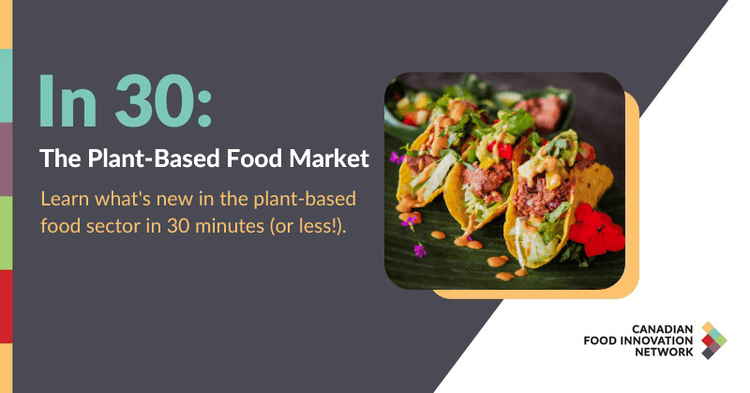
Sometimes, all it takes is 30 minutes to learn the ins and outs of new food technologies and trends that are transforming the food and beverage industry. In this series, we’ll dig into a food innovation topic and link you to content and resources so you can become a master on the topic in 30 minutes (or less!). This week we’re looking at the latest news and developments in the plant-based food sector. What’s New Food Matters Live – Five Plant-based Food Trends and Innovations for 2023 New innovations include vegan cheese, plant-based fish, and more. VegNews – Heading to the Plant Based World Expo? These are the Five Trends to Watch . Trends from the third Plant Based World Expo, which took place in September 2023. Greener Ideal – The Eight Hottest Vegan Food Trends of 2023 What vegan customers are asking for in restaurants and at grocery stores. The Canadian Connection Plant-Based Foods Canada – Plant-Based Foods of Canada (PBFC) is a division of Food, Health & Consumer Products of Canada (FHCP) . It is the industry association for companies that make and market plant-based foods in Canada. Protein Industries Canada - Protein Industries Canada is one of Canada’s five Global Innovation Clusters , and is an industry-led, not-for-profit organization created to position Canada as a global source of high-quality plant protein and plant-based co-products. Plant Forward Conference – The next Plant Forward Conference takes place April 16 to 18, 2024 in Toronto, ON, and will showcase food and ingredients for businesses in the global plant protein sector. Social Media Gardein (Facebook) – Gardein is a Conagra Brand of meat-free foods. Sol Cuisine (Instagram) – Sol Cuisine produces a wide variety of plant-based meals, snacks and sides. Simply Protein (LinkedIn) – Simply Protein is a line of plant-based snacks with a limited number of clean ingredients from Toronto, ON-based Wellness Natural Inc. Overtime If you’ve got more than 30 minutes, these are for you: YouTube - Top Vegan Products - Natural Product Expo 2023 A collection of the best vegan and plant-based products at the Natural Product Expo West tradeshow.
Community Manager-
50 Food & Beverage Programs - Sault College
Culinary Training at Sault College: A Creative Journey in Culinary Arts Sault College in Sault Ste. Marie, O N , offers an innovative one-year Culinary Skills – Chef Training program, perfect for those who see food not just as a passion but as a canvas for creativity. This program is more than a typical culinary school; it's a place where food enthusiasts can transform their love for cooking into professional culinary artistry. Program Overview: The Culinary Skills – Chef Training certificate program is designed for students who aspire to become culinary professionals. It combines contemporary and classical cooking techniques in state-of-the-art culinary labs. The program encourages creativity and collaboration, allowing students to develop flavo u rs that express their unique culinary identity. Program Highlights: Hands-On Learning: Tailored class sizes and practical training help students refine their skills. Salt-Free Canada Cookbook Contribution: Students can contribute to national projects, showcasing their culinary creativity. Dress Code and Lab Requirements: Students are expected to adhere to professional standards, including a clean uniform and hair control, reflecting the industry's expectations. Affordable Tuition: The program offers competitive tuition fees, with potential funding opportunities for Canadian citizens or permanent residents interested in culinary arts. Key Courses and Features: Semester 1: Includes Culinary Techniques I, The Theory of Food, Culinary Math & Computer Apps for Trade, Nutrition and Wellness, Culinary Food Production, and Fundamentals of Professional Baking. Semester 2: Covers Professional Communication, Culinary Techniques II, Culinary Cost Control, Gastronomy and Food Sustainability, Contemporary Food Production, and Global Citizenship. Work-Integrated Learning: Students get real-world experience in culinary arts through practical kitchen sessions. Career Path: Graduates of the Culinary Skills - Chef Training program are well-prepared for various culinary roles in resorts, hotels, restaurants, healthcare facilities, cruise lines, catering services, private clubs, and industrial kitchens. Program Contacts: Program Coordinator: Sarah Birkenhauer, (705) 759-2554 ext . 2588, sarah.birkenhauer@saultcollege.ca Contact Info for Sault College: September and January Intakes: For more information, prospective students can contact the Registrar's Office at Sault College. Video/Social/Media: Explore the program further through this YouTube Video . Stay updated with Sault College's activities on its YouTube Page . The Culinary Skills – Chef Training program at Sault College is an excellent choice for those looking to dive deep into the culinary arts. With its blend of practical training, theoretical knowledge, and a focus on creativity and innovation, this program equips students with the skills needed to excel in the dynamic and ever-evolving culinary industry.
Community Manager-
In 30: Ransomware
Sometimes, all it takes is 30 minutes to learn the ins and outs of new food technologies and trends that are transforming the food and beverage industry. In this series, we’ll dig into a food innovation topic and link you to content and resources so you can become a master on the topic in 30 minutes (or less!). This week, we’re looking at ransomware, a type of malware (malicious software) that locks a computer or network system and all of its data until a ransom is paid to unlock it. The Overview IBM – What is Ransomware? IBM documents the types of ransomware and how it infects a system or device. PCMag – The Best Ransomware Protection for 2023 Ransomware protection can stop attacks from destroying information. PCMag highlights some of the best antivirus protection available. Statista – Annual Number of Ransomware Attempts Worldwide from 2017 to 2022 According to Statista, there were 493.33 million ransomware attempts detected worldwide in 2022. The Canadian Connection Canadian Centre for Cyber Security – The centre says ransomware is the most common cyber threat facing Canadians. CBC – It's Time for Companies to Double Down on Cybersecurity Measures as Ransomware Attacks Rise Experts report an increase in ransomware attacks and other cyber incidents across Canada. Financial Post - Safety Net: Increasingly Sophisticated Ransomware Attacks Leave Companies, Lawyers Scrambling to Keep Up The legal environment of responding to ransomware is new, uncertain and evolving. Media Covering Cybersecurity Cybercrime Magazine – Cybercrime Magazine site is operated by Cybersecurity Ventures, a researcher on the global cyber economy and a source of statistics and facts on cybersecurity. The Hacker News – Th e Hacker News platform reports on the latest cybercrime events. Infosecurity Magazine – The online magazine offers information on computer and online security and other topics around cyber safety . Security Magazine – Th is site offers news and information on physical and online security, including training strategies. Overtime If you’ve got more than 30 minutes, these are for you: YouTube - Ransomware Attacks Threaten Canada's National Security Ransomware attacks now constitute the most disruptive form of cyberattack facing Canada.
Community Manager-
50 Food & Beverage Programs - McGill University
Global Food Security and Food Science Programs at McGill University McGill University in Montreal, QC, offers comprehensive programs in Global Food Security and Food Science, focusing on tackling critical issues in food production, nutrition, and sustainability. Global Food Security Program Overview: The Global Food Security program addresses the pressing issues of hunger and food insecurity worldwide. This multidisciplinary program provides a broad academic foundation and prepares students for careers in government, NGOs, and the public and private sectors. Program Details: Program length: Varies based on specialization and course load Recommended specialization: International Agriculture Admission Requirements: High school diploma or equivalent; specific requirements vary Course Highlights: AEBI 210 – Organisms 1 NUTR 207 – Nutrition and Health AGRI 215 – Agro-Ecosystems Field Course ANSC 420 – Animal Biotechnology Possible Minors: Agribusiness Entrepreneurship Health Geography Human Nutrition International Development Career Opportunities: Graduates can pursue diverse career paths, including: Agri-business management International research and project management Policy analysis Research roles in various sectors Key Faculty Member: Dr. Patrick Cortbaoui, PhD, Managing Director of the Global Food Security program Contact Information: Faculty of Agricultural and Environmental Sciences Email: agr-env-sc.admissions@mcgill.ca Phone: 514-398-7925 Academic Advisor: Dr. Julie Major (Book an appointment) BSc. Food Science Program Overview: McGill's Food Science program explores the science behind food processing, safety, and quality. It's designed for those interested in the scientific aspects of food production and nutrition. Program Details: Duration: Four years (Bachelor's degree) Focuses on food technology, safety, and quality Admission Requirements: High school diploma or equivalent; specific requirements vary Course Highlights: Courses in food microbiology, product development, and food safety Hands-on laboratory experiences Internship opportunities Career Opportunities: Graduates can work in various sectors such as food production, research, quality control, and product development. Contact Information: Faculty of Agricultural and Environmental Sciences Email: agr-env-sc.admissions@mcgill.ca Phone: 514-398-7925 Social Media and Online Resources: YouTube: McGill GFS Program Instagram: @mcgill_gfsclub Apply Now: Interested candidates can apply through the Faculty of Agricultural and Environmental Sciences. Check McGill University's application page for deadlines and document requirements. These programs at McGill University offer unique opportunities to engage with global food challenges and contribute to sustainable solutions in the agriculture and food sectors.