Canada is home to a diverse and dynamic food and beverage industry, supported by educational programs that train the next generation of chefs, brewers, entrepreneurs, and innovators. This roundup highlights 50 standout programs across the country, from top culinary schools and hospitality management courses to cutting-edge research initiatives and sustainability-focused training. Whether you're an aspiring professional, educator, or industry enthusiast, these programs provide valuable insights into the evolving world of food and drink in Canada. BC & Yukon Vancouver Community College UBC BCIT LaSalle College (Vancouver) UBC: Food, Nutrition, and Health Okanagan College Vancouver Island University University of Fraser Valley Northern Lights College North Island College Yukon University Selkirk College Thompson Rivers University Kwantlen Polytechnic University Prairies Saskatchewan Polytechnic University of Alberta University of Saskatchewan University of Manitoba SAIT NAIT Manitoba Institute of Trades & Technology International College of Manitoba Ontario Niagara College Humber College Le Cordon Bleu Ottawa George Brown College Fanshawe College Brock University University of Guelph Toronto Metropolitan University Loyalist College Georgian College Conestoga College Durham College Centennial College Canadore College Algonquin College Trent University St. Lawrence College St. Clair College Sault College Lambton College Confederation College Quebec McGill University LaSalle College Bishop's University Atlantic Canada University of PEI Memorial University Cape Breton University
Community Manager-
50 Food & Beverage Programs - Vancouver Island University
Crafting a Career in BC ’ s Wine Industry: VIU ’ s Wine Business Program The Wine Business program at Vancouver Island University is a comprehensive one-year certificate course designed for those passionate about pursuing a career in the BC wine industry. The program combines practical experience with academic learning in viticulture, wine business practices, marketing, and tourism. Program Highlights: As a student, you ’ ll have the chance to immerse yourself in hands-on experiences at local vineyards and wineries, gaining insights into the entire winemaking process. This practical foundation is then complemented by academic courses in viticulture, wine business practices, marketing, and tourism. A standout feature of this program is its flexibility. Whether you ’ re looking to study full-time for a year or prefer a part-time option spread over two years, VIU has you covered. Located in picturesque Nanaimo, BC, VIU provides an ideal setting for your wine education journey. With a curriculum designed to integrate viticulture essentials with business acumen, VIU ’ s Wine Business program offers a holistic understanding of the wine industry. Students can also earn credits that can be applied toward a Bachelor of Business or a Hospitality and Tourism Management program, opening doors to a wide range of future career prospects. The program includes seven courses and focuses on the broader aspects of the wine industry. In addition to viticulture and winemaking, students delve into wine marketing, exporting, and the vital role of wine tourism. C ourses cover a wide spectrum, from wine marketing and appreciation to beverage theory and the management of wine tourism. The program also offers elective courses in consumer behavio u r, entrepreneurship, and festival management . What You’ll Leave With: Upon graduation, a world of opportunities awaits you in BC ’ s wine industry. Whether you dream of managing a vineyard, excelling in wine s ales and marketing, or even opening your own restaurant, VIU ’ s Wine Business program provides the knowledge and skills to make your wine-related ambitions come true. Career options span winery/vineyard management, retail sales, wine marketing representation, hotel management, culinary arts, a gri - tourism development, and s pecial events coordination. V ideo/Social / Media : VIU YouTube Video
Community Manager-
Cellular Food in Canada
The past few years have proven how susceptible Canada’s food industry is to world events, supply chain disruptions and climate changes. New food production technology, such as cellular agriculture, has the potential to alleviate some of these challenges, while creating commercial opportunities and building a more sustainable, resilient food system. What is it? Cellular food – also known as engineering biology, synthetic biology or cell-cultivated products – is the production of food and textile products without using animals or land. Cell cultures harvested from animals, plants or micro-organisms are grown in the lab through tissue engineering or precision fermentation to produce: Cultivated proteins such as chicken, beef and seafood Fermented products like dairy, eggs, honey and chocolate Ingredients to add to products to create hybrid foods including proteins, enzymes, flavour molecules, vitamins, pigments and fats Textiles such as leather, silk and wool Why you should care As global population continues to grow, so does demand for protein, while access to land and other resource inputs become more scarce. Alternative agriculture could be an answer to food scarcity, concerns about animal and environmental welfare, cost inflation and resource challenges due to climate change. Compared to conventional agriculture, cellular agriculture production, is much less energy intensive, produces less greenhouse gas emissions, and has a much lower overall carbon footprint. With our strong food infrastructure, reputation for food safety, biotechnical expertise, and federal support for alternative protein production, Canada is well positioned to become a leader in cellular agriculture. The 2021 report Cellular Agriculture: Canada’s $12.5 Billion Opportunity in Food Innovation from Ontario Genomics and the Food and Agriculture Institute at the University of the Fraser Valley found that the international cellular agriculture market will reach US$100 billion by 2032. Canada’s food industry has the potential to take $12.5 billion that market, while creating up to 142,000 high-paying jobs. Opportunities in Canada Engineered plant proteins are already in the Canadian market, and by all estimates, precision fermented products are expected to appear before cultured meat products. Current Canadian regulations consider food produced through cellular agriculture as a novel food, and products are approved on a case-by-case basis. Here are a few Canadian start-ups making headlines: Because Animals – This Toronto-based pet food company uses cultured ingredients such as probiotics and nutritional yeast to create nutrient-rich cat and dog food designed to help digestive issues. Future Fields – Edmonton, AB-based Future Fields is a R&D producing growth media products that can be used to create commercialized cultivated proteins in a safe and sustainable manner. Cell-Ag Tech – Toronto’s Cell-Ag Tech is doing R&D on cell-cultured fish and seafood. New Harvest International non-profit research institute New Harvest , which promotes the science behind cultured meat through research, funding and a conference , now has a Canadian branch.
Community Manager-
Other Articles
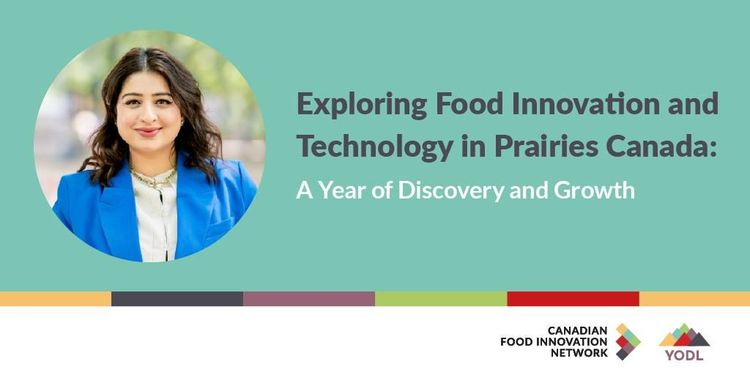
Exploring Food Innovation and Technology in Prairies Canada: A Year of Discovery and Growth
Welcome to YODL! In addition to daily original content, YODL helps CFIN Members find new partners , resources , and funding opportunities to grow their food business. Learn more about this growing community and become a CFIN Member (for free!) today . By Hubba Khatoon The past year immersing myself in the food and beverage industry h as been exhilarating and enlightening journey . In my role a s the Regional Innovation Director at the Canadian Food Innovation Network (CFIN) covering Alberta, Manitoba, and Saskatchewan, I am thrilled to share my insights and observations on the dynamic trends and support network that thrive within the Prairie region's food industry. A Thriving Support Ecosystem Over the past year, I've been struck by the impressive growth of a collaborative culture. In this growing ecosystem, ind ustry leaders, research institutions, government entities , and visionary entrepreneurs are converging to share ideas, nurture innovation, and drive impactful transformation. Not iceably , the Prairies region has displayed impressive enthusiasm for embracing challenges and entrepreneurial endeavors , which holds great promise for the future of food innovation. The Prairies are home to a vibrant community of over 500 CFIN members actively engaged in food innovation across diverse sectors. This dynamic region has also seen an outstanding response, with 34 applications received thus far for CFIN funding and support . This not only highlight s the entrepreneurial zeal and innovation thriving here but also reflects the nurturing ecosystem that provides invaluable mentorships, resources, and financial backing to empower these food innovators on their journey. In addition to research centers like Centre for Culinary Innovation at Northern Alberta Institute for Technology in Edmonton, AB, and the Prairie Research Kitchen at Red River College Polytechnic in Winnipeg, and Manitoba Food Development Centre in Manitoba, Saskatchewan Food Industry Development Centre , Food Processing Development Centre (FPDC) in Leduc, the region’s food companies have access to a diverse array of resources including incubators, accelerators, and funding programs. Notable examples include the Plug and Play Food Vertical , SVG Ventures/Thrive , CDL Rockies Ag Vertical , Bioenterprise , Venturepark L abs , and Cultivator AGTECH ACCELERATOR . Government Support for Food Innovation It's also evident that federal, provincial, and municipal governments across the Prairies region are deeply committed to supporting food entrepreneurs, acknowledging the significant potential of food innovation and technology to drive economic growth across the region. Governments are actively implementing supportive policies and allocating resources to research and development initiatives, creating a favorable regulatory environment, and facilitating collaborative efforts between public and private sectors. This includes supporting a wide array of events and dialogue specifically crafted to enrich the food ecosystem. A prime example is Inventures 2023, organized by Alberta Innovates, which featured dedicated sessions addressing food systems, security, innovation, and technology. Sustainable Solutions Sustainability has taken center stage in the Prairies' food innovation landscape, as companies progressively embrace responsible production practices. These include practices like upcycling, as seen in Okotoks, AB's Ground-up eco-ventures , as well as efforts to minimize food waste. Additionally, businesses like Edmonton's TerraVerdae Bioworks and Calgary's Earthware Reusables are pioneering eco-friendly packaging solutions, while others, like CarbonGraph , are working diligently to reduce their carbon footprint. This commitment to sustainability not only aligns with consumer demands but also secures the long-term viability of our food system. Plant-Based Food Innovation One of the most notable areas of innovation in the Prairies is the significant expansion of plant-based foods, encompassing everything from meat alternatives to dairy-free options. Given the global shift towards sustainability and healthier dietary choices , the Prairies naturally excel in this domain, thanks to its rich agricultural h istory and extensive fertile lands. This unique positioning empowers the Prairie region to take the lead in plant-based food production, the cultivation of plant proteins, and the advancement of research and development initiatives. For instanc e, Phyto O rganix Foods Inc. i s currently constructing a cutting-edge, net-zero p lant processing facility in Strathmore, AB, with substantial support from both provincial and federal funding. Set to launch in 2024, this facility will process 40,000 metric tonnes of locally sourced yellow peas annually. From these peas, it will produce soluble and insoluble protein isolates, processed fiber and starch, as well as high-quality dietary pea hull fiber. In addition, the presence of the Protein Industries Canada supercluster, an industry-driven initiative focused on establishing Canada as a global leader in plant protein and plant-based products, further elevates the region's international standing in this burgeoning sector. Growing Global Footprint Prairies Canada is extending its global impact as significant entities such as the Trade Commissioner Service , Agriculture and Agri-Food Canada, r egional- i nternational trade organizations, and economic development organizations including Calgary Economic Development , Economic Development Regina , Edmonton Global , Economic Development Winnipeg , and Economic Development Lethbridge , are proactively integrating food technology and innovation into their strategies . These organizations are not only attracting international companies to establish operations in the Prairies but also fostering the creation of international partnerships for local food businesses. Food-Tech Solutions Another prominent area of expansion has been the emergence of foodtech solutions, where the Prairie region is establishing itself as a leader . Two remarkable examples involve companies supported by CFIN funding: Winnipeg-based TheoryMesh which employs blockchain applications to ensure traceability and transparency in the supply chain, and Saskatoon's BetterCart Analytics , utilizing AI-po wered ana lytics to enhance purchasing expe riences. These technologies enhance efficiency, boost food safety, and enrich consumer interactions. Addressing Labor and Technology Challenges Recognizing the Prairie region's food innovation landscape, it's crucial to acknowledge existing gaps, some of which resonate with entrepreneurs across Canada. Specifically, the region confronts a shortage of skilled labor in specialized fields like food science and technology, with challenges in retaining entry-level positions. Addressing this challenge requires the formation of strategic partnerships to cultivat e training initiatives and drawing in top talent . It also calls for substantial investments in the advancement of digital transformation. As exemplified in Dana McCauley's article on Robotics and the food industry , CEO of CFIN, automation and robotics present a practical remedy for mitigating labor shortages, particularly when employed in tasks categorized as hazardous, unclean, or repetitive. T his technological shift increases efficiency and empowers employees to redirect their focus toward more value-added and skill-demanding responsibilities. To navigate digital transformation effectively, businesses require additional resources, training, and improved education in applied research, innovation, and technology adoption. Navigating Co-Packing Gaps Simultaneously, it's evident that the Prairies face a shortage of adequate co-packing facilities and services, creating obstacles for entrepreneurs looking to launch startups and scale innovative food products . There are no easy fixes to this issue. Bridging this gap requires investments in state-of -the-art co-pack ing infrastructure, fostering collaborations with established co-packers, and supporting emerging entrepreneurs with access to affordable and flexible co-packing solutions. Access to Capital Despite the presence of funding opportunities, access to capital remains a n ongoing challenge for many food innovators and entrepreneurs in the Prairie region. Acquiring funding for research and development, scaling operations, and marketing innovative products can prove to be arduous tasks. Addressing this challenge will also require a collective effort among stakeholders to craft funding programs, establish venture capital networks, and introduce investment incentives tailored specifically to bolster the distinctive requirements of the region's food innovation ecosystem. Prairie Region's Path to Global Leadership in Food Innovation With ongoing advancements in technology, a steadfast commitment to sustainability, and the presence of a supportive ecosystem, the Prairie reg ion is primed to emerge as a global leader in food innovation. Various organizations throughout the Prairies, along with indispensable tools like CFIN’s YODL platform , Funding Finder and Resource Finder ( all available to CFIN members at no cost ) play pivotal roles in the innovation equat ion. By proactively addressing the current gaps, the region can unlock its full potential in food innovation and technology. Moving ahead, it's imperative to engage with diverse communities, foster inclusivity, promote collaboration, and tackle pressing challenges such as food security. As I embark on my second year with CFIN, I am excited to delve deeper into these critical issues and work collectively to drive progress in the field of food innovation. Hubba Khatoon is Regional Innovation Director for the Prairies at CFIN. Contact her at Hubba@CFIN-RCIA.ca The Canadian Food Innovation Network (CFIN) is a national, member-based organization that’s stimulating transformative and transferrable innovation across the Canadian food sector. They connect the Canadian food ecosystem to fresh insights, ideas, and technologies to elevate their business and increase their innovation capacity . You can become a CFIN member (for free!) in less than five minutes. Visit CFIN at www.cfin-rcia.ca
Community Manager-
50 Canadian FoodTech Resources – David Sobey Centre
Welcome to YODL! In addition to daily original content, YODL helps CFIN Members find new partners , resources , and funding opportunities to grow their food business. Learn more about this growing community and become a CFIN Member (for free!) today . Canada has an extensive range of research centres, food incubators, accelerators and labs supporting food and beverage innovation through the research they do and/or the services they offer. Each week throughout 2023, we’ll be highlighting an organization that’s supporting food innovation in Canada. Name: David Sobey Centre for Innovation i n Retailing and Services (DSC), at Saint Mary’s University Location: Halifax, NS Mission: The centre has a mandate to help build a vibrant retail sector in Canada through research, innovation and retail education. Focus: The centre helps lead transformation and growth in the Canadian retail industry. It is focused on multidisciplinary applied research, innovation, and comprehensive education and professional development programs, and is a hub for retail expertise equipping retailers with insights, innovation and skills to thrive. Services: The DSC conducts and funds applied and collaborative research on issues affecting the retail sector to improve business practices and outcomes. It develops and tests new technologies , processes and methods, and innovates in-house with the help of faculty and graduate students from multiple disciplines, as well as industry retailers and technology providers. It offers a biometric and digital lab, VR retail store and cashierless store lab, as well as a variety of in-person and virtual events focused on retailing . In 2017 it launched the David Sobey Centre National Retail Innovation Awards recognizing retailers and companies supporting the retail sector with innovation and unique contributions , including sustainable solutions, e-commerce, technology and artificial intelligence. What you Need to Know: To date the c entre has given out $530,000 in research funding, and $150,000 in student competition funding . It has ha d 4,500 event attendees and 240 executive program attendees. The c entre has two virtual and in-person events coming up that are open to the public: Retail Tech Unveiled: Exploring the Trends of Tomorrow on October 16, 2023, and the Distinguished Retailer Speaker Series - Rachel Huckle, President & COO, Staples Canada on October 26, 2023 . Notable News: The DSC recently unveiled a retail robot, designed to free up retail employees in stores and transform everyday shopping experiences. The robot can check inventory level on the shelf, as well as price and planogram compliance and send real-time reports. It is just one of several technology-based innovations being pioneered at the centre. Get Involved: Contact the Sobey School of Business at ( 902 ) 496-8272 or davidsobeycentre@smu.ca , or reach out to our Regional Innovation Director for Atlantic Canada, Tyson MacInnis .
Community Manager-
Meet a Member - Jeff Hetherington
Welcome to YODL! In addition to daily original content, YODL helps CFIN Members find new partners , resources , and funding opportunities to grow their food business. Learn more about this growing community and become a CFIN Member (for free!) today . Since launching in 2022, CFIN has grown to more than 3, 5 00 members, which includes professionals from every sector of the food industry. This series highlights the many different CFIN members across Canada who visit YODL to learn, make connections, find funding, and discover new ways to grow their businesses. Jeff Hetherington Head of Project Development , Laplace Robotics Kitchener- Waterloo , ON Tell us about your job As h ead of Project Development at Laplace Robotics , and being a veteran leader of the food i ndustry, I help bridge the connection between AI v ision systems and r obotics and the f ood i ndustry to bring value to manufacturers. As a Lean Six Sigma professional, I’m always looking at c ontinuous i mprovement opportunities for businesses. How is YODL helping you do your job? YODL connected me and the team at Laplace Robotics. I served as an advisor for the business and then joined them full time . So, making connections is how it helps me do my job. How often do you visit YODL? W hen I see an email update with a summary of new posts , which is usually weekly . What’s your favourite aspect of YODL? Lifelong l earn ing from others , and learn ing about new trends and innovations in the food sector. Can you tell us something you learned on YODL? So m any new innovative products, I’m always amazed at what Canadian companies can do! What type of connection partners are you looking for? Food and b everage or consumer packaged goods businesses that want to implement AI v ision, r obotics and a utomation into their process to create value for them. We also partner with i ntegrators looking to leverage AI for businesses they supply. What areas of food innovation interest you the most? Artificial i ntelligence - based vison systems, robotics and automation , as well as in novative food and beverage products. What has been your favourite discussion post? My favourite discussion post was when I created a post looking to offer my food industry experience and knowledge as a m entor / a dvisor to any startups. That’s where I met the team at Laplace Robotics. They created an exceptional AI v ision and r obotics program that address es and solve s labour and yield issues we have in the industry and make it possible for any size of business to implement . What’s your favourite food? Well - marbled steak , char broiled on the BBQ , with seasonal vegetables! Interested in participating in our Meet a Member series? Contact your Regional Innovation Director for more information!
Community Manager-
IN 30: Food Tradeshows you Should Know
Welcome to YODL! In addition to daily original content, YODL helps CFIN Members find new partners , resources , and funding opportunities to grow their food business. Learn more about this growing community and become a CFIN Member (for free!) today . Sometimes, all it takes is 30 minutes to learn the ins and outs of new food technologies and trends that are transforming the food and beverage industry. In this series, we’ll dig into a food innovation topic and link you to content and resources so you can become a master on the topic in 30 minutes (or less!). This week, we’re taking a look at some of the food and beverage tradeshows taking place in Canada throughout the remainder of 2023 . There may be other sector- or region-specific tradeshows taking place across the country. Atlantic Canada Responsible Seafood Summit Oct. 2 – 5, 2023 Saint John Delta Saint John, NB FBA Conference & Awards Oct. 24 – 25, 2023 Light House Arts Centre Halifax, NS Quebec BÉNÉFIQ 2023 Oct . 4 - 5 , 2023 Centre des congrès de Québec Quebec City , QC Ontario Canadian Manufacturing Technology Show 2023 Sep t. 25 – 28, 2023 Toronto Congress Centre Toronto, ON Food Accelerator Celebration 2023 Oct . 3, 2023 YSpace Markham Markham, ON RCC’s Retail Sustainability Conference Oct. 3, 2023 The International Centre Mississauga, ON Canadian Institute: Inaugural Advanced Summit on Food Law and Regulation Canada Oct . 4 – 5, 2023 Sandman Signature Mississauga Hotel Mississauga, ON Toronto Global Forum 2023 Oct . 11 – 13, 2023 Fairmont Royal York Toronto, ON The Meating Place Conference 2023 Oct. 20 - 21, 2023 JW Marriott The Rosseau Muskoka Resort & Spa Minett , ON Grocery Innovations Canada 2023 Oct. 24 – 25, 2023 Toronto Congress Centre, Toronto, ON Startup Canada Tour - Brampton Oct . 26, 2023 The Rose Brampton Brampton, ON Small Business Forum Oct . 30, 2023 Metro Toronto Convention Centre Toronto, ON CIFST Interface 2023 Nov . 7, 2023 The International Centre Mississauga, ON CIFST Ontario Section: 33rd Annual Suppliers' Night Tabletop Exhibition Nov . 7, 2023 The International Center Mississauga, ON ADM Pack Expo Toronto 2023 Nov . 7 – 9, 2023 Toronto Congress Centre Toronto , ON 8th Annual SAAS North Nov . 15 – 16, 2023 Shaw Centre Ottawa, ON AWC EAST 2023 Nov . 19 - 23 , 2023 Sheraton Fallsview Niagara Falls, ON GroceryConnex Nov . 20, 2023 Fairmont Royal York Toronto, ON OPMA Annual Gala and Awards Nov. 24, 2023 Bellevue Manor Vaughan, ON Prairies Canada Terroir Symposium 2023 Sep t. 30 – Oct. 2, 2023 John Ware Building Calgary, AB British Columbia #IGNITE: Accelerating your Path to Commercialization Sep t. 25, 2023 Vancouver Convention Centre West Building Vancouver, BC entrepreneurship@UBC Immersion Week (EIW): Let’s take action together! Sep t. 26 - 28 , 2023 The University of British Columbia Vancouver, BC Placemaking Summit 2023 Oct . 3, 2023 Fairmont Hotel Vancouver Vancouver, BC Frontier Summit 2023 Oct . 4 - 5 , 2023 Lowtide Properties Vancouver, BC BCFB Awards 2023 Oct . 11, 2023 Rocky Mountaineer Station Vancouver, BC Charitable Impact: TechPong 2023 Oct . 19, 2023 Science World Vancouver, BC RCCs Retail West Conference Nov . 2, 2023 The Westin Bayshore Vancouver, BC Is there a major food and beverage tradeshow taking place this year that we’ve missed? Reach out to your Regional Innovation Director to let us know!
Community Manager-
Emerging Food and Foodtech Jobs – Part 3
Welcome to YODL! In addition to daily original content, YODL helps CFIN Members find new partners , resources , and funding opportunities to grow their food business. Learn more about this growing community and become a CFIN Member (for free!) today . New food technology and changing operating requirements are transforming the way food and beverage companies work, as well as the employee skills they require. Following are just a few of the emerging and in-demand jobs now available in food and beverage manufacturing. Mechatronics engineer What They Do: Mechatronics focuses on the design and assembly of computer-controlled integrated systems involving mechanical, electrical and electronic equipment, including robotics, automation, machine vision, Internet of Things equipment, and controls. Necessary Skills & Education: STEM education, mechanical engineering degree, knowledge of computer programming, creative thinking, solutions oriented. Account Manager What They Do: An account manager working in the food industry oversees sales activities for products and/or categories , develops relationships with new and existing customers (including grocery and foodservice customers), analyzes sales numbers, creates strategies designed to grow sales, and generates new sales opportunities. Necessary Skills & Education: Good communication, sales, written , presentation and negotiation skills, experience with customer relationship management (CRM) software , administrative skills, strong understanding of the product. Business Development Manager What They Do: A business development manager working in the food industry helps a company grow its business in terms of new clients, relationships, regions, and/or products. They conduct market and sales research, forecast revenue and create strategic plans for growth either for the company as a whole or for specific areas of the business such as marketing or sales. Necessary Skills & Education: A business , management, marketing, accounting or finance degree, strong understanding of the food industry, good communication, leadership, planning, research, written, organizational and presentation skills .
Community Manager-
FBO’s CareersNOW! Program
Welcome to YODL! In addition to daily original content, YODL helps CFIN Members find new partners , resources , and funding opportunities to grow their food business. Learn more about this growing community and become a CFIN Member (for free!) today . There are a range of resources available to both job seekers and food and beverage industry businesses as they seek to navigate the labour market, including Food and Beverage Ontario ’s CareersNOW! p rogram . As part of our Talent and Training series, we asked Isabel Dopta , program director of CareersNOW ! , to tell us more about the ways in which the program is connecting potential employees with employers. Q: Please explain what the CareersN OW ! program is? A: CareersNOW ! was created and launched by Food and Beverage Ontario in 2021 to facilitate connections between employers in Ontario’s food and beverage processing industry and jobseekers and students exploring career opportunities or ready to start a job. The program is based on a collaborative model, with several project partners that are industry associations and post-secondary educators, to leverage the best expertise and resources available. Q: How is the program helping to address the labour shortage being faced by the food industry? A: The current workforce for Ontario’s food and beverage processing industry is approximately 125,000 people. Like other sectors, this industry is experiencing labour and skills vacancies as high as 20% of the workforce due to a retiring labour force and lack of sufficient talent attraction. CareersNOW ! has a mandate to engage jobseekers and students on career opportunities by sharing information, and providing connecting tools and resources for businesses and jobseekers , such as job fairs, mentorship and coaching, skills training, and an employment platform. CareersNOW ! is available at no cost to participants. Q: What sectors of the industry are facing the largest labour gaps? A: Beverage processing is experiencing large gaps as is meat and poultry processing. Q: What are some of the most in-demand skills and jobs in the food industry today? What jobs do you see growing in demand? A: In-demand jobs continue to be in production and the skilled trades. Emerging jobs for the future will demand skills in innovation, automation , and advanced manufacturing. For example, expertise in sustainability , including new packaging strategies and food waste management , are in growing demand. Q: Food technology, automation and digitization are becoming more common in food production. How are companies retraining current employees to fill these roles? A: The food and beverage processing industry has a good reputation and a strong track record in providing training and professional development for its workforce. Food Processing Skills Canada, a CareersNOW ! partner, in particular offers several training and employee development programs for Canadian businesses. Of course, skilled individuals will also always be in demand. Q: If companies are filling technical roles with non-food professionals from other industries, what do skilled professionals need to understand about working in the food industry? A: It is important to remember that this industry is largely comprised of small - to medium-sized business es with less than 1 00 employees. It is common to see an individual that has started their caree r in an entry level role grow professionally with the same company into management and leadership positions. Professionals that are new to the food and beverage industry can also p articipate in the C areersNOW ! Job Ready Skills Training program. This online training offers 15 introductory courses to learners on relevant subjects including industry onboarding, food safety, good manufacturing practices, sanitation, industrial workplace safety, lock out/tag out, and allergens. The training is a great place for individuals to learn in a self-paced, online learning management system, and receive certificates for each completed course that can be shared with prospective employers. Q: Are you seeing more food companies offer special benefits to attract new hires and retain employees? A: Yes. Food and beverage companies have made a commitment to com m unica t e their value as an employer. For so long the focus for a business was on product marketing, now there is a shift to also branding the company as a top employer with an attractive workplace culture and rewarding career opportunities. It’s an exciting time for businesses and jobseekers to learn about each other . Q: Anything else to add about labour and the food industry? A: Visit www.careersnow.ca to learn more about the resources available for businesses, jobseekers and students, and join the CareersNOW ! community.
Community Manager-
50 Canadian FoodTech Resources – Food and Agricultural Institute, University of the Fraser Valley
Welcome to YODL! In addition to daily original content, YODL helps CFIN Members find new partners , resources , and funding opportunities to grow their food business. Learn more about this growing community and become a CFIN Member (for free!) today . Canada has an extensive range of research centres, food incubators, accelerators and labs supporting food and beverage innovation through the research they do and/or the services they offer. Each week throughout 2023, we’ll be highlighting an organization that’s supporting food innovation in Canada. Name: Food and Agricultural Inst i tute (FAI) at the University of the Fraser Valley Location: Abbotsford, BC Mission: The FAI is an interdisciplinary research centre that focuses on issues, challenges, and sustainability solutions related to food and farm systems. Focus: The institute explores emerging agricultural technologies, techniques and methods , as well as critical food system challenges and issues . Services: The FAI conducts research under two major themes: agricultural technology and innovation, and food systems planning and policy. The agricultural technology theme explores emerging agricultural technologies, techniques and methods , such as cellular agriculture and indoor farming , and their potential for contributing to sustainable food systems. The Institute recognizes that technology alone does not comprise a sustainability solution, and thus, it also researches potential approaches, strategies, and policies that can complement the widespread implementation of agricultural technologies and innovations for better sustainability outcomes. The food systems planning and policy theme explores critical food system challenges and issues in order to find ways and develop tools to address these challenges/issues in a manner that aligns with broader goals for sustainability and resilience. FAI researches agricultural land-use planning and policy on local and regional scales to identify best approaches for developing farmland and improving food assets. In addition, FAI incorporates thinking and work from the agricultural technology and innovation theme into its planning and policy research, and it examines how land can be used more efficiently with the implementation of high-yield, low-footprint agricultural technologies. What you Need to Know: FAI partners with a diversity of researchers, industry leaders, and governments to build knowledge and tools for moving toward sustainable, resilient food systems for communities and regions in BC , Canada, and across the globe. Notable News: This fall the federal government, through Genome Canada, announced an almost $27-million investment in nine Interdisciplinary Challenge Teams (ICTs) comprised of researchers from different disciplines whose genomics research and innovation into sustainable solutions will help create a more resilient national food system and supply chains. That includes a n ICT based at the University of the Fraser Valley for a project titled “The social implications of genomic agri-food technologies: Ensuring equity, diversity and inclusion in the transition to climate-resilient Canadian agricultural and food systems,” led by Evan Bowness, Lenore Newman and Stefania Pizzirani . For more on work from Dr. Lenore Newman, see CFIN’s coverage of her book (with Dr. Evan Fraser) Dinner on Mars: The Technologies that Will Feed the Red Planet and Transform Agriculture on Earth, and CFIN’s Cultivating Success: Canada's Big Biomanufacturing Opportunity . Get Involved: Contact Dr. Lenore Newman at Lenore.Newman@ufv.ca or (604) 504-7441, or reach out to our Regional Innovation Director for BC Lavina Gully .
Community Manager-
An Interview with a Food Recruiter
Welcome to YODL! In addition to daily original content, YODL helps CFIN Members find new partners , resources , and funding opportunities to grow their food business. Learn more about this growing community and become a CFIN Member (for free!) today . As part of CFIN's series on Talent and Training Carolyn Cooper sat down with Allan Hills , a senior hiring consultant with CPG Executive Search , specialists in hiring for the food and beverage manufacturing industry, to discuss the issues food companies now face when hiring and retaining skilled employees.
Community Manager-
IN 30: Post-Secondary Food Research
Welcome to YODL! In addition to daily original content, YODL helps CFIN Members find new partners , resources , and funding opportunities to grow their food business. Learn more about this growing community and become a CFIN Member (for free!) today . Sometimes, all it takes is 30 minutes to learn the ins and outs of new food technologies and trends that are transforming the food and beverage industry. In this series, we’ll dig into a food innovation topic and link you to content and resources so you can become a master on the topic in 30 minutes (or less!). This week, we’re looking at some of the food , foodtech and food-related work taking place at research centres and departments of post-secondary institutions in Canada. Th is is just a small sample of the fascinating projects underway across the country. Atlantic Canada School Canada's Smartest Kitchen (CSK) at Holland College , Charlottetown, PEI Canada’s Smartest Kitchen is a food product development centre specializing in moving projects from concept to commercialization. It is also the research division of the Culinary Institute of Canada and an NSERC Technology Access Centre. What’s New? A number of staff members from Canada’s Smartest Kitchen (CSK) participated in the regional Kelp Connector workshop this year in Halifax, NS organized by its collaborative partners at the Nova Scotia Community College (NSCC) Applied Research unit. CSK, NSCC and the College of the North Atlantic (CNA) have received two years of funding from NSERC to complete an Applied Research and Technology Partnership project in regards to observation, cultivation, and innovation of the kelp industry in the Atlantic Canada region. School Centre for Aquaculture and Seafood Development , School of Fisheries at the Fisheries and Marine Institute of Memorial University of Newfoundland, St. John’s, NL. The centre focuses on t echnical services in seafood processing, aquaculture, and marine bioprocessing, in the areas of applied research, product and process development, advisory services, and training. What’s New? Memorial University will hold its sixth annual Research Week from November 20 to 24, 2023. Researchers, staff, students, postdoctoral fellows and community partners are invited to organize and host sessions with the goal of celebrating and raising awareness of the university’s internationally renowned research expertise and encourag ing more multidisciplinary collaboration among the research community. Last year during Research Week the Centre for Aquaculture and Seafood Development showcased a series to discuss new innovations in seafood for the blue economy. One of the centre’s goals is to be a global catalyst for accelerating marine bio-product innovation . Quebec School Innofibre: Centre d’innovation des produits cellulosiques , Cégep de Trois-Rivières, Trois- Rivières, QC Innofibre helps companies develop innovative cellulosic and biomass-based products. It works with clients in its analytical laboratories and pilot facilities to carry out applied research on cellulosic products, such as functional and bioactive papers and thermoformed products, as well as bioproducts such as biomass. What’s New? Innofibre hosts the NSERC College Industrial Research Chair in Ecodesign for a Circular Economy of Thermoformed Cellulose Packaging Materials. Innofibre researcher Tarik Jabrane is the chair. The centre is currently working on r aw materials development for thermoformed fiber packaging ; f unctional adjuvants development for thermoformed fiber packaging ; p erformance analysis of thermoformed fiber packaging ; and t hermoforming pilot trials of cellulosic fiber packaging . School Kemitek , Cégep de Thetford, Thetford Mines, QC Kemitek focuses on green and sustainable chemistry, process scale up and oleochemistry . Kemitek’s vision is to be the premier centre for technology development and support for green chemistry commercialization in Canada by 2030. It offers services to a number of sector s, including food and nutraceuticals; materials, coatings and adhesives; and cleaning agents. In 2020 t he centre changed its name from O LEOTEK to Kemitek to better represent its mission and its innovation and technological development features. What’s New? In November 2022 Kemitek , in partnership with Innofibre , the CRPTQ, Agrinova, CEPROCQ, UQTR and manufacturers Sani-Marc Group, Adalia Group, McCain Foods, Greenleaf Power, Quali-ferme companies, MRC du Domaine-du-Roy, Saint-Arneault, and Société de cogénération de St-Félicien , were nominated in two categories – Collaboration Prize with a CCTT and Partnership Prize for the project Active agents (anti-germinative and antimicrobial) used for potatoes – at the 32nd ADRIQ 2022 Innovation Awards Gala at the Palais des congrès de Montréal. Th e gala is the most prestigious event that highlights innovation in Quebec. The Kemitek team and its partners won the 2022 Partnership Prize . According to the centre, the project is a good example of a circular economy as f orest residues were used in the project to manufacture two active ingredients (anti-germinative and anti-microbial) to preserve potatoes for longer after harvest. School The Institute of Nutrition and Functional Foods at Laval University in Quebec City, QC. The centre is committed to improving the food supply and creating a more sustainable food system, including accessible, safe, healthy, diverse, and environmentally-friendly food. It is dedicated to enhancing human nutrition and fostering the growth of a thriving bio-food sector, collaborating and sharing expertise . What’s New? In August 2023 nearly 80 teams from Laval University received $12.9 million from the Natural Sciences and Engineering Research Council (NSERC) and $6.4 million from the Social Sciences and Humanities Research Council (SSHRC) for innovative research. Projects related to food that received funding include: The s tudy of interactions in complex food microbiota ; m ixed protein-polysaccharide systems – assembly in complex environments and functionalities ; a gas chromatography system coupled to a mass spectrometer for the development of a volatilomics platform intended for the biofood sector ; th e project “ Examining the experience of stigmatization linked to body weight within families and its long-term effects ”; and the project “ Beyond effectiveness, is the appeal to fear promising for reducing the consumption of sugary drinks? ” Ontario School Centre for Research and I nnovation , Fanshawe College, London, ON. CRI is the only research facility amongst Ontario’s colleges specializing in nutritional and shelf-life testing for product development and validation. The facility also includes the Centre for Applied Research and Innovation in Biotechnology (CARIB) that helps emerging agri-food businesses launch new food, beverage and cannabis products. What’s New? CRI has worked with many local and national companies to produce or improve food and beverage products . The centre worked with Aspire Food Group, a global leader in advanced insect agriculture, to determine a more economical method to best preserve the nutritional benefits of their products. It also partnered with Geissberger Farmhouse Cider to improve the shelf stability of the company’s sweet apple cider. The end result was a product that was more stable after being opened. Working with Booch, one of the largest kombucha breweries in Ontario, the centre devised a method to control ethanol levels throughout the brewing, fermenting, and flavouring processes, in order to maintain a final ethanol level below regulatory requirements . School Food Innovation & Research Studio (FIRSt) at George Brown College , Toronto, ON FIRSt is a Technology Access Centre that supports the food and beverage sector with research and development services. The lab works with clients to troubleshoot product development challenges and help bring new ideas to market. What’s New? The centre has worked with a wide range of Canadian food and beverage companies . It worked with Aware Beverages , producers of SoCIAL LITE vodka beverages, to introduce three new flavours to its lineup; with Sweetness Sugar Cookies to make changes to their product formulations, improve their shelf life, and develop new products; and Choose Life Foods to optimize the pastry used for the company’s vegan Jamaican patties, and the filling for their products. School Technology Access Centre in Bio-Inno v ation (TAC-B) , La Cité College , Ottawa, ON The centre is comprised of a team with expertise in biophysics, bioprocesses, biotechnology, analytical chemistry and genetic engineering that c ollaborate s with businesses and institutions to offer solutions to specific challenges. What’s New? TAC-B’s Dr. Nathalie Méthot is the 2022 winner of the Synergy Award for Innovation in the Colleges category for her work with RISEHop , a start-up company developing an innovative system for producing mycorrhizae fungi that form symbiotic associations with plants to contribute to their growth and health, while improving agricultural crop yields. The partnership resulted in the development of MyConnect , sustainable technology for producing mycorrhizae that are pure, resistant and effective. This expertise also led to the production of a line of mycorrhizae-based products for agriculture in Canada and around the world. School Food & Beverage Innovation Centre (formerly named the Canadian Food and Wine Institute Innovation Centre), Niagara College , Niagara-on-the-Lake, ON The FBIC works with businesses and the community to provide real-world solutions through innovation activities. It offers services to support industry innovation and commercialization of new products and processes for food, beverages and cannabis edibles. What’s New? This year Niagara College was named the number 1 top research college in Ontario and the number 2 top research college in Canada by Research Infosource Inc. in its annual Top 50 Research Colleges report. Niagara College has attracted more than $18.1 million in funding to conduct innovative projects with industry partners in the food and beverage, advanced manufacturing, horticulture and the environment, and business sectors. The school has completed 228 research projects, with 190 total research partnerships . School Animal Biosciences , University of Guelph , Guelph, ON The Department of Animal Biosciences conducts research by faculty members, graduate and undergraduate students. The department is an integral part of Ontario's agriculture and food industry, supplying new ideas , research solutions and graduates to the sector. Its research and teaching programs include basic and applied sciences to do with the feeding, breeding, housing and care of animals used by humans. This includes the ethical and sustainable production of food and other animal products that can improve the health and well-being of people. What ’s New? The department’s Food from Thought research program is working on how to realize the full potential of data from sensor technology that measures everything from global shifts in climate, to variations in food quality, to microscopic evolution of pests and pathogens . The program seeks to understand the complex interaction between farming practices, the genetic potential of livestock and crops, and the ecosystem. The $76.7 - million, seven- year research program started in 2016, and is funded by the Canada First Research Excellence Fund. Th e research is designed to understand how to increase the capacity , sustainability and safety of food production systems. Prairies School Prairie Research Kitchen in the Paterson GlobalFoods Institute at Red River College Polytechnic , Winnipeg, MN The Prairie Research kitchen supports food processors and foodservice businesses through R&D, technical services and training, with a unique approach that blends food science with culinary skills. What’s New? T he Research Kitchen has worked with approximately 70 companies in Western Canada to generate more than 120 food product ideas. A n ongoing partnership between the Prairie Research Kitchen, Glenboro , MN food start-up Prairie Fava and Big Mountain Foods, a Vancouver-based innovator of plant-based consumer packaged goods, resulted in an award-winning product in the p ast year. School Richardson Centre for Food Technology and Research , at the University of Manitoba , Winnipeg, MB The centre advance s food quality and human nutrition through traditional and innovative food processing techniques. It partners with the food and agri-food industries on collaborative research and pre-commercial development activities. What’s New? The centre was formerly known as the Richardson Centre for Functional Foods and Nutraceuticals. The name was changed in July 2022 to reflect its focus on collaborating with the food and agri-food industry to advance food quality and human nutrition through research and pre-commercial product development. Its researchers are currently working on numerous projects including: a project on the structure-function properties of food protein-derived antioxidant, antihypertensive, anti-diabetic, anti-obesity and anti-acetylcholinesterase peptides and polyphenols; a project on in-line structural, textural and nutritional quality monitoring and manipulation during processing of plant-based meats; and innovations in protein-lipid conjugation and novel technologies for developing protein-based nanodelivery systems to improve the delivery mechanism, efficacy, and bioavailability of bioactives . British Columbia School The BC Beverage Technology Access Centre (BC BTAC) at Okanagan College , Penticton, BC BC BTAC works with companies and organizations to exchange ideas and resources to create real-world solutions for the development of beverages, including fermented, brewed, distilled and non-alcoholic products. What’s New? This summer BC BTAC and Cellar Dweller Mobile Filter Service hosted a smoke taint removal trial using two industry-leading technologies available for use by the sector. Cellar Dweller has a licencing agreement with Amaea to use its MIPs (molecular imprinted polymer) technology which tailors polymers to target and remove specific molecules, smoke taint being the first application that Amaea has introduced for wineries. School Food and Agriculture Institute , (FAI) University of the Fraser Valley , Abbotsford, BC The University of the Fraser Valley’s Food and Agricultural Institute explores emerging agricultural technologies, techniques and methods , including cellular food and indoor farming, and their potential for contributing to sustainable food systems. FAI partners with diverse range of researchers, industry leaders, and governments to build knowledge and tools for moving toward sustainable, resilient food systems for communities and regions in BC, Canada, and worldwide. FAI conducts research under two major themes: agricultural technology and innovation, and food systems planning and policy. What’s New? On September 6, 2023 the federal government, through Genome Canada, announced an almost $27-million investment in nine Interdisciplinary Challenge Teams (ICTs) comprised of researchers from different disciplines whose genomics research and innovation into sustainable solutions will help create a more resilient national food system and supply chains. The ICTs include one based at the University of the Fraser Valley for a project titled “The social implications of genomic agri-food technologies: Ensuring equity, diversity and inclusion in the transition to climate-resilient Canadian agricultural and food systems,” led by Evan Bowness, Lenore Newman and Stefania Pizzirani . School Centre of Seafood Innovation at Vancouver Island University (CSI) , Bowser, BC CSI is an innovation hub that helps companies extract more value from sustainable seafood harvests. The centre supports entrepreneurs with business development, public education, and workforce attraction projects to foster ongoing innovation. It focuses on companies producing value - added seafood products, and products that complement seafood products such as sauces, dips or seasonings. What’s New? Each month CSI hosts a public lunch-and-learn series called Let’s Talk Seafood…and eat it too! designed to highlight the impacts of food - based public education on citizens’ perceptions of shellfish farming. Recent projects include the Oyster Challenge, which showcased the use of oysters processed with High Pressure Processing (HPP); a partnership with Omega Pacific Hatcheries to help capture maximum value for its farmed sturgeon harvest; and a project to assess Modified Atmosphere Packaging (MAP) as a treatment to keep Japanese scallops alive for transportation. Is there a research project taking place that YODL members should know about? Reach out to your Regional Innovation Director to let us know!
Community Manager-
Emerging Food and Foodtech Jobs – Part 2
Welcome to YODL! In addition to daily original content, YODL helps CFIN Members find new partners , resources , and funding opportunities to grow their food business. Learn more about this growing community and become a CFIN Member (for free!) today . New food technology and changing operating requirements are transforming the way food and beverage companies work, as well as the employee skills they require . Following are just a few of the emerging and in-demand jobs now available in food and beverage manufacturing. Production Manager What They Do: Production managers are responsible for overseeing the food and beverage manufacturing process during production shifts, ensuring it runs effectively. That may include ensuring orders are met, managing staff, reviewing shift reports, and scheduling production activities. Necessary Skills & Education: Good organizational and leadership skills, ability to work in a fast-paced environment, strong communication skills . Production managers may need technical expertise in areas such as food and occupational safety. Sanitation Supervisor/ Lead What They Do: The sanitation supervisor or team lead ensures sanitation practices are in compliance with government regulations , food safety , and company standards . They may be involved in designing, implementing , completing and inspecting sanitation processes, programs and documentation, as well as training, scheduling and supervising sanitation staff. Necessary Skills & Education: Good organizational and leadership skills, ability to work in a fast-paced environment, strong communication skills. The role may require technical expertise in areas such as technology, cleaning chemicals used in the food industry , and food safety . Millwright What They Do: Millwrights , also known as industrial mechanics, install, maintain , disassemble, reassemble and repair industrial and mechanical equipment and components i n the production facility. They may use computer-assisted design (CAD) software, computerized maintenance management systems (CMMS) and other technology to monitor , diagnose and file reports on production equipment. Necessary Skills & Education: A millwright is a Red Seal occupation requiring qualification through education and/or apprenticeship programs. It requires strong problem-solving , p lanning and organizational abilities .
Community Manager-
An Interview with FoodGrads
Welcome to YODL! In addition to daily original content, YODL helps CFIN Members find new partners , resources , and funding opportunities to grow their food business. Learn more about this growing community and become a CFIN Member (for free!) today . As part of CFIN's series on Talent and Training Carolyn Cooper sat down with Veronica Hislop of FoodGrads to discuss closing the gap between students, graduates and employers in the food and beverage industry. FoodGrads is dedicated to educating students and new graduates on the various opportunities and career paths in the food industry, as well as sharing the stories of the people that make up this amazing industry. Click here to listen to the FoodGrads podcast, and here to learn more about FoodGrads.
Community Manager-
50 Canadian FoodTech Resources – National Center for Electrochemistry and Environmental Technologies (CNETE)
Welcome to YODL! In addition to daily original content, YODL helps CFIN Members find new partners , resources , and funding opportunities to grow their food business. Learn more about this growing community and become a CFIN Member (for free!) today . Canada has an extensive range of research centres, food incubators, accelerators and labs supporting food and beverage innovation through the research they do and/or the services they offer. Each week throughout 2023, we’ll be highlighting an organization that’s supporting food innovation in Canada. Name: National Center for Electrochemistry and Environmental Technologies at Shawinigan College (CNETE) Location: Shawinigan, QC. Mission: The CNETE carries out applied research, technical assistance , training and information activities for Quebec companies , organizations and municipalities in order to contribute to the improvement and development of environmentally friendly processes and products . Focus: The centre helps its customers to develop and implement innovation projects and technological applications in the areas of bioprocesses, membrane separation technologies and electrochemistry. Services: CNETE helps companies by offering applied research, adaptation and technology transfer services, new product development of bio-based products, development of production bioprocesses, reduction and recovery of wastewater and gaseous pollutants, support with regulatory compliance and labelling, technical support and analysis, staff training, help finding funding, and more. What you need to know: The centre has experts in bioprocesses, membrane technologies and environmental chemistry, as well as close collaborations with a network of researchers with complementary expertise , including research ers at Shawinigan College. Notable News: CNETE’s analytical and microbiological laboratories feature $10 million worth of state-of-the-art equipment for every stage of innovation. The centre offers three platforms dedicated to anaerobic digestion, including a lab, 300-L pilot plant, and a 4,500-L mobile platform. Get Involved : Contact CNETE at ( 819 ) 539-8508 or info@cnete.qc.ca , or reach out to our Regional Innovation Director for Quebec Julie Daigle .