Canada is home to a diverse and dynamic food and beverage industry, supported by educational programs that train the next generation of chefs, brewers, entrepreneurs, and innovators. This roundup highlights 50 standout programs across the country, from top culinary schools and hospitality management courses to cutting-edge research initiatives and sustainability-focused training. Whether you're an aspiring professional, educator, or industry enthusiast, these programs provide valuable insights into the evolving world of food and drink in Canada. BC & Yukon Vancouver Community College UBC BCIT LaSalle College (Vancouver) UBC: Food, Nutrition, and Health Okanagan College Vancouver Island University University of Fraser Valley Northern Lights College North Island College Yukon University Selkirk College Thompson Rivers University Kwantlen Polytechnic University Prairies Saskatchewan Polytechnic University of Alberta University of Saskatchewan University of Manitoba SAIT NAIT Manitoba Institute of Trades & Technology International College of Manitoba Ontario Niagara College Humber College Le Cordon Bleu Ottawa George Brown College Fanshawe College Brock University University of Guelph Toronto Metropolitan University Loyalist College Georgian College Conestoga College Durham College Centennial College Canadore College Algonquin College Trent University St. Lawrence College St. Clair College Sault College Lambton College Confederation College Quebec McGill University LaSalle College Bishop's University Atlantic Canada University of PEI Memorial University Cape Breton University
Community Manager-
50 Food & Beverage Programs - Vancouver Island University
Crafting a Career in BC ’ s Wine Industry: VIU ’ s Wine Business Program The Wine Business program at Vancouver Island University is a comprehensive one-year certificate course designed for those passionate about pursuing a career in the BC wine industry. The program combines practical experience with academic learning in viticulture, wine business practices, marketing, and tourism. Program Highlights: As a student, you ’ ll have the chance to immerse yourself in hands-on experiences at local vineyards and wineries, gaining insights into the entire winemaking process. This practical foundation is then complemented by academic courses in viticulture, wine business practices, marketing, and tourism. A standout feature of this program is its flexibility. Whether you ’ re looking to study full-time for a year or prefer a part-time option spread over two years, VIU has you covered. Located in picturesque Nanaimo, BC, VIU provides an ideal setting for your wine education journey. With a curriculum designed to integrate viticulture essentials with business acumen, VIU ’ s Wine Business program offers a holistic understanding of the wine industry. Students can also earn credits that can be applied toward a Bachelor of Business or a Hospitality and Tourism Management program, opening doors to a wide range of future career prospects. The program includes seven courses and focuses on the broader aspects of the wine industry. In addition to viticulture and winemaking, students delve into wine marketing, exporting, and the vital role of wine tourism. C ourses cover a wide spectrum, from wine marketing and appreciation to beverage theory and the management of wine tourism. The program also offers elective courses in consumer behavio u r, entrepreneurship, and festival management . What You’ll Leave With: Upon graduation, a world of opportunities awaits you in BC ’ s wine industry. Whether you dream of managing a vineyard, excelling in wine s ales and marketing, or even opening your own restaurant, VIU ’ s Wine Business program provides the knowledge and skills to make your wine-related ambitions come true. Career options span winery/vineyard management, retail sales, wine marketing representation, hotel management, culinary arts, a gri - tourism development, and s pecial events coordination. V ideo/Social / Media : VIU YouTube Video
Community Manager-
Cellular Food in Canada
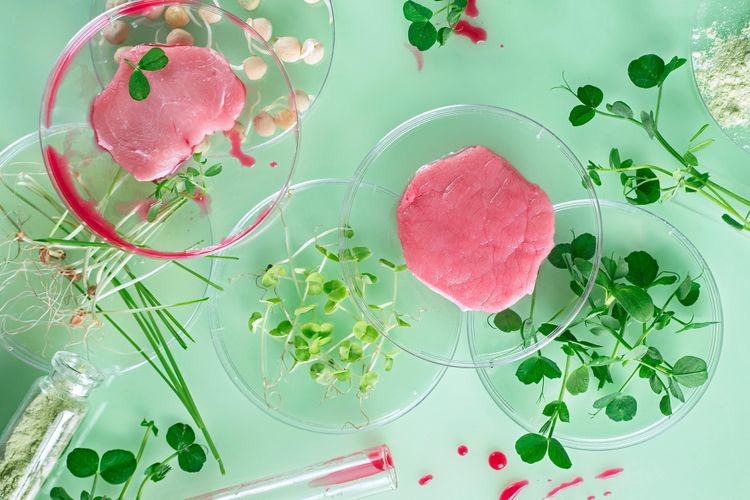
The past few years have proven how susceptible Canada’s food industry is to world events, supply chain disruptions and climate changes. New food production technology, such as cellular agriculture, has the potential to alleviate some of these challenges, while creating commercial opportunities and building a more sustainable, resilient food system. What is it? Cellular food – also known as engineering biology, synthetic biology or cell-cultivated products – is the production of food and textile products without using animals or land. Cell cultures harvested from animals, plants or micro-organisms are grown in the lab through tissue engineering or precision fermentation to produce: Cultivated proteins such as chicken, beef and seafood Fermented products like dairy, eggs, honey and chocolate Ingredients to add to products to create hybrid foods including proteins, enzymes, flavour molecules, vitamins, pigments and fats Textiles such as leather, silk and wool Why you should care As global population continues to grow, so does demand for protein, while access to land and other resource inputs become more scarce. Alternative agriculture could be an answer to food scarcity, concerns about animal and environmental welfare, cost inflation and resource challenges due to climate change. Compared to conventional agriculture, cellular agriculture production, is much less energy intensive, produces less greenhouse gas emissions, and has a much lower overall carbon footprint. With our strong food infrastructure, reputation for food safety, biotechnical expertise, and federal support for alternative protein production, Canada is well positioned to become a leader in cellular agriculture. The 2021 report Cellular Agriculture: Canada’s $12.5 Billion Opportunity in Food Innovation from Ontario Genomics and the Food and Agriculture Institute at the University of the Fraser Valley found that the international cellular agriculture market will reach US$100 billion by 2032. Canada’s food industry has the potential to take $12.5 billion that market, while creating up to 142,000 high-paying jobs. Opportunities in Canada Engineered plant proteins are already in the Canadian market, and by all estimates, precision fermented products are expected to appear before cultured meat products. Current Canadian regulations consider food produced through cellular agriculture as a novel food, and products are approved on a case-by-case basis. Here are a few Canadian start-ups making headlines: Because Animals – This Toronto-based pet food company uses cultured ingredients such as probiotics and nutritional yeast to create nutrient-rich cat and dog food designed to help digestive issues. Future Fields – Edmonton, AB-based Future Fields is a R&D producing growth media products that can be used to create commercialized cultivated proteins in a safe and sustainable manner. Cell-Ag Tech – Toronto’s Cell-Ag Tech is doing R&D on cell-cultured fish and seafood. New Harvest International non-profit research institute New Harvest , which promotes the science behind cultured meat through research, funding and a conference , now has a Canadian branch.
Community Manager-
Other Articles
CIFST ALT Supplier Showcase Series - Lovingly Made Ingredients
CFIN is partnering with the Canadian Institute of Food Science & Technology (CIFST) to present CIFST ALT on September 28, 2022 at the Delta Toronto Airport Hotel & Convention Centre. Companies participating in the show also have the opportunity to present a Supplier Showcase Session during the CIFST ALT Innovation Showcase. Here’s a preview of one of the companies and speakers you’ll see at the show. Judy Day Food technologist Lovingly Made Ingredients Q: What solutions do your products or services offer food manufacturers? A: Lovingly Made Ingredients Ltd. manufactures innovative and first-in-market plant-based textured proteins that are sold globally. We also offer custom or toll manufacturing and project-based product development. We provide application knowledge and assistance to our customers to help solve their formulation needs. Our ingredients are made primarily with pea protein, but we also produce some unique pulse/grain blends for bespoke or toll production. Q: What makes your product or services unique and an alternative in the market? A: We are leaders in innovation and finding the right fit for the right product for our customers. We offer products that are non - GMO, kosher, halal and produced in a allergen-free facility. Our focus is on pea protein but we also work with a variety of Canadian ingredients and pulses. We’re not afraid to try new things! Sustainability is our reason for being and the way we constantly assess how we do business. Energy, water, inputs, packaging, shipping – we endeavour to be a force for good. We are meeting demand worldwide as our customers are hungry for innovations and supply. Unique shapes, blends, functionality is where we shine, alongside nimble customer service and utmost sustainability practices. Q: How do you maintain innovation as a priority in your company? A: We are producing next-generation innovations to feed the future of plant-based proteins. Shapes, sizes, functionality – we push the limits on what our equipment can do and are wowing our customers. The plant-based industry is ever changing in trends and needs, thus we need to remain flexible and retain our curiosity. We maintain great relationships with our customers and suppliers and always keep up to date with industry news and events. Keeping in touch with research facilities and universities always provides insight into new innovation opportunities. Our production team has a can-do attitude and are always willing to try our crazy ideas. We trial often and try to keep it fun. Q: What are you most looking forward to about CIFST Alt? A: Learning about other companies in the alt space and finding ways to connect and innovate together. We can’t individually save the world but together we may just have a chance at great success. Q: What’s your favourite alternative to either dairy, grain or traditional protein products? A: I enjoy oat-based dairy alternatives and I have to love all pea-based meat alternatives! Ready to register for CIFST ALT? Click here to find out more.
Community Manager-
News File – September 23
Each Friday we’ll bring you a roundup of news from CFIN, YODL and around the food world. As seen on YODL Check out this week’s most viewed discussions: Already loving the look and feel of the new YODL 2.0! | Open Forum (cfin-rcia.ca) Functional foods - are you interested in finding out what health benefits of your food product | Open Forum (cfin-rcia.ca) Michelin Stars Awarded to Toronto Restaurantes | Open Forum (cfin-rcia.ca) Around the Food World Walmart Canada is using AI to automate to detect out of stock items on shelves. Tim Hortons has announced a second Orange Sprinkle Donut fundraising campaign in support of Indigenous charities . A study from Finland shows how nanoplastics move along the food supply chain. Did you Know? A new study from Capterra reveals that Canadians believe in sustainable habits, and want to support businesses that have circular economies. In fact, 87% said they would rather buy products from companies with circular economy practices than from one that does not. The survey also asked consumers what sustainable habits they participate in. Here’s what it found: 79% separate their waste and recycling 78% bring reusable bags to stores 26% usually buy in bulk; 53% sometimes do 20% usually buy local products; 55% sometimes do 27% are aware of food waste apps, but only 7% use them 30% would definitely spend money at a business with anti-food waste measures; 51% said they might patronize such a business if it was convenient
Community Manager-
Interview with the Canada Plastics Pact
@Joe Lake , CEO of CFIN, sat down with Paul Shorthouse, the interim managing director of the Canadian Plastics Pact, to talk about the organization and how it is helping the food industry reduce plastic waste.
Community Manager-
Guest Post: Packaging – Much more than a pretty face
CIFST ALT – Previewing Joe Lake’s Keynote Presentation
CFIN is partnering with the Canadian Institute of Food Science & Technology (CIFST) to present CIFST ALT on September 28, 2022 at the Delta Toronto Airport Hotel & Convention Centre. CFIN CEO Joe Lake will be delivering the keynote address during the event, discussing how the non-profit organization is facilitating connections and communication between food and beverage companies, while stimulating transformative technological change across the industry. Here’s a sneak preview of what to expect during the presentation: Canada’s food industry is heavily fragmented Although the food industry is Canada’s second largest manufacturing industry -- generating more than $112 billion in production value annually -- the industry is extremely segmented between manufacturing, foodservice and grocery sectors, and between regions of Canada. As a result, opportunities for collaboration, learning and growth are often missed. YODL is helping connect the food industry Joe will peel back the curtain on YODL and reveal key data points that show how the newly launched platform is helping CFIN Members connect, discuss challenges, and find potential business partners. Collaboration is key Joe will present his top five tips for F&B operators to improve collaboration. One of these five tips (‘Adjust Your Attitude’), will dive into why operators need to change their mindset and eliminate pre-conceived notions in order to increase their innovation capacity and grow their business. We look forward to seeing you next week at CIFST ALT! If you don’t have a ticket yet, you can get one here .
Community Manager-
The Tablesetter – September 19
Happy Monday CFIN members! Here's your weekly heads up on what’s happening on YODL and around the food world this week. The YODL Menu Did you notice we added a YODL Menu widget to our homepage? Now you can easily access all of our articles and keep track of what’s coming up. Monday: The Tablesetter – September 19 Tuesday: CIFST ALT keynote speech preview Wednesday: Guest article: Packaging – much more than a pretty face Thursday: Interview with the Canada Plastics Pact Friday: News File Something to Celebrate September 23 kicks off Ontario Garlic Week , which actually runs until October 2, 2022, and includes the 12 th annual Toronto Garlic Festival . The festival offers garlic-lovers the chance to buy fresh garlic, taste garlic-infused recipes and products, test out the Garlic Shot Station, and even participate in competitions like the Garlic Breath Contest. Food Facts Garlic has been used for medicinal, religious and culinary purposes for more than 5,000 years. It’s thought to be the first food flavouring. There are approximately 450 different types of garlic cultivated worldwide. According to the Toronto Garlic Festival, Ontario garlic comes in a variety of flavours, as well as sweetness and heat levels. Kiwi, parsley, spinach and basil are all clinically proven to remove bad breath after eating garlic. Fresh fruit and lots of water also help. Garlic contains many minerals, vitamins and antioxidants, including potassium, iron, calcium, magnesium, manganese, zinc and vitamin C. It’s also known to lower cholesterol levels, boost the immune system, and help prevent heart disease and cancer. Happy YODLing!
Community Manager-
News File – September 16
Each Friday we’ll bring you a roundup of news from CFIN, YODL and around the food world. As seen on YODL Check out this week’s most viewed discussions: Functional foods - are you interested in finding out what health benefits of your food product | Open Forum (cfin-rcia.ca) Product Launch: Kellogg's Cereal Bowls with "Milk" | Open Forum (cfin-rcia.ca) Une solution pour sécuriser la chaine d'approvisionnement! L'entreprise Relocalize de Montréal | Open Forum (cfin-rcia.ca) Around the Food World Walmart is piloting a reusable bag rental program in its Guelph, ON stores. The CIFST has started planning for a new food cluster under Agriculture and Agri-Food Canada’s Next Policy Framework. Nestlé and Perfect Day are teaming up to create a dairy-free milk-like beverage. Did you Know? Food and beverage companies are high users of energy, primarily from fossil fuels, and worldwide the industry produces approximately 37 per cent of all greenhouse gas (GHG) emissions. Alteco has developed a predictive tool to help food businesses manage energy consumption, cut costs and reduce their carbon footprint. The recently launched SaaS (software as a service) tool registers which equipment is being used when electricity enters a manufacturing facility, and reveals the specific energy consumption of that equipment. Alteco says the software can help reduce energy costs by at least 15 per cent.
Community Manager-
CIFST ALT Supplier Showcase Series - Berentz
CFIN is partnering with the Canadian Institute of Food Science & Technology (CIFST) to present CIFST ALT on September 28, 2022 at the Delta Toronto Airport Hotel & Convention Centre. Companies participating in the show also have the opportunity to present a Supplier Showcase Session during the CIFST ALT Innovation Showcase. Here’s a preview of one of the companies and speakers you’ll see at the show. Jessie To Technical development manager Berentz Q: What solutions do your products or services offer food manufacturers? A: We supply strategically curated ingredients from world-class manufacturers so we can offer the best. We apply the expertise and know-how of our principals and our experienced food technologists to support food manufacturers in creating delicious products that consumers will love. We also have ingredient manufacturing companies under Barentz and so we are able to offer cost-efficiency. Q: What makes your product or services unique and an alternative in the market? A: We work closely with global market leaders and powerful niche suppliers and we have a global network of Barentz application laboratories that are ready to find the best solutions for our customers. Also, we have a dedicated focus on being leaders in the alternatives market, ranging from alternative functional ingredients to nutritional, to ingredients being processed in alternatively sustainable ways. Q: How do you maintain innovation as a priority in your company? A: We are built on an entrepreneurial spirit and we continue to cultivate that. We apply our global market and technological knowledge to source complementary ingredients for local markets and do local applications work that help us provide value to our partners. We continue to invest in innovation and talent. Barentz North America is proudly EcoVadis Gold recognized. This award reflects Barentz’ commitment towards our customers and communities. Q: What are you most looking forward to about CIFST Alt? A: Being able to learn from others and seeing the innovation that will be making a difference in this world. Ready to register for CIFST ALT? Click here to find out more.
Community Manager-
Discussion: Innovation and Research and Development in Plastic Alternatives
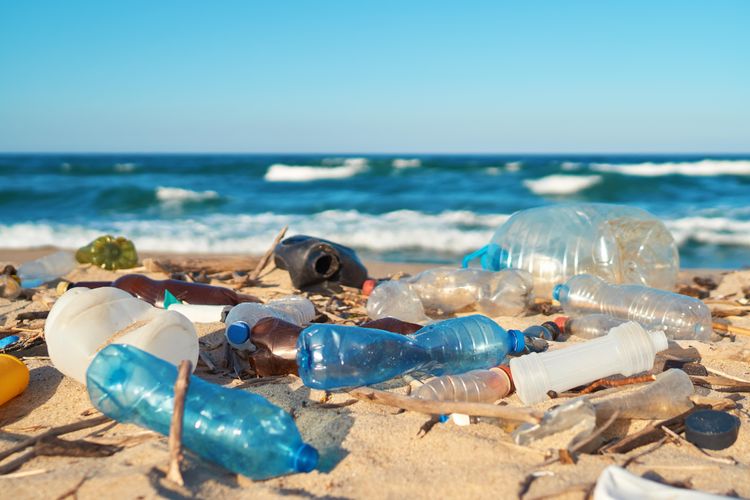
Food and beverage operators tell us that they have made eliminating plastic a priority in their businesses, and many are looking for unique innovations such as packaging produced from biowaste. Participants Dr Zoraide Bentellis, Director, and Dr Mohamed Laakel, Senior Researcher, Bioplastics, Institute of Packaging Technology and Food Engineering (ITEGA) Simon Chretien, Director General, Alliance Polymères Québec (Vallée de la Plasturgie) Q: Tell us about some of the best innovations you have seen on the market or in development? Zoraide Bentellis & Mohamed Laakel: Several examples exist, and it is impossible to name them all. The following examples are therefore not exhaustive. For ITEGA, a bio-based food packaging solution is packaging that must have barrier and mechanical properties practically developed to measure by packaging manufacturers according to the needs of food companies using it. It may be antimicrobial, antioxidant, edible, intelligent, recyclable, industrially compostable and home compostable. Innovations can be named within each criterion. Here are a few examples: PLA is one of the most commercially promising bioplastics for replacing non-degradable polymers such as polyethylene terephthalate (PET) and polystyrene (PS). PLA has been the subject of considerable research over the past 20 years. Other polymers include cellulose, polyhydroxybutyrate (PHB) and polyhydroxyalkanoates (PHA). In addition, to produce a biomass-derived PET substitute, scientists have recently proposed the use of furan-2,5-dicarboxylic acid (FDCA). Plant-, sugar cane-, coconut-, hemp- and corn starch-based packaging is also replacing plastic packaging. These innovations are economical. A few examples of companies on the market: Oceanium ( Our products - Oceanium) is a UK-based start-up that makes products from sustainably cultivated seaweed; the Bulgarian start-up Lam’On ( LAM’ON - Biodegradable laminating film for printing (lam-on.com)) which produces 100% compostable and biodegradable laminating films and aluminium packaging. It produces a polylactic acid (PLA) packaging sheet, PACK’ON, derived from corn. The use of silver nanoparticles as antibacterial additives in the sheet, together with its oxygen-barrier properties, makes the solution suitable for food packaging; Origin Materials, Origin Materials - Carbon Negative Materials ,USA, creates bio-based plastic bottles containing 80% renewable materials such as cardboard and sawdust. To date, half of its capital investments have come from major food companies such as Nestlé and Danone. Simon Chretien : The development of polymer resins from agricultural residues and forestry co-products for manufacturing is very advanced. However, work is also needed to adapt manufacturing processes to shape these resins. A great deal of research and development is being carried out around the world on this subject, and there are many technological advances. Several viable products have reached the pre-commercialisation or commercialisation stage with manufacturers, such as coffee pods, reusable dishwasher-safe coffee cups, single-use tableware and even reusable tableware. Q : How far are we from seeing some biowaste packaging solutions become mainstream? Zoraide Bentellis & Mohamed Laakel: In Canada, Quebec and internationally, plastic-substitute material solutions include Evanesce. Based in Vancouver, Canada, Evanesce designs, develops and manufactures sustainable, single-use solutions that are certified compostable, commercially scalable and competitive, using the latest advances in materials science. The patented Evanesce Molded Starch technology is a complete replacement for expanded polystyrene (EPS) in packaging and was to become commercially available in 2023. The product is made from recycled plant-based by-products, is home compostable and breaks down in far less than 90 days. Kruger’s FiloCell : Kruger Biomaterials has been working on the development and commercialisation of FiloCell™, its trademark for cellulose filaments, since 2013. It has the world’s first CF demonstration plant, with a five-tonne-per-day production line, where it is successfully conducting trials that have the potential to revolutionise the manufacturing processes of many products BE UP Biotechnologies Inc. is a company created to commercialise biopolymers developed in Quebec and produced using innovative, environmentally friendly processes. The biopolymers proposed are fully biodegradable and produced from renewable raw materials. These biopolymers are part of a large family of 100% natural compounds: PHA (polyhydroxyalkanoates). With properties equivalent to conventional plastics, mainly petroleum-based, PHAs offer an alternative to their use. BOSK Bioproduits is a Quebec company. Bosk’s project is a radical innovation in that it offers a fully compostable bioplastic at a competitive cost. Unlike other PHAs available on the market, their PHA contains no GMOs, is non-toxic and is made from unused, renewable materials from paper-industry operations. ITEGA-CÉPROCQ bioplastics platform: located in Montreal, Quebec. As part of an NSERC mobilisation grant application, ITEGA and CÉPROCQ received a grant of $1,500,000 over five years for the “Development of the first integrated platform for compostable bioplastics”. The circularity initiative aims to: 1. produce monomers from agri-food by-products from biofood companies; 2. produce bioplastic; 3. develop active food packaging; and 4. validate durability and compostability. Rootree, located in Boucherville, Quebec, manufactures using renewable and bio-based materials to create a film structure in which each layer is certified home compostable. Simon Chretien: As long as the recycling and sorting chain has not been adapted to separate petroleum-based packaging from bio-based packaging, and as long as a network of suitable composting sites for bio-based packaging has not been established, it will be difficult for this technology to be adopted on a large scale. Q : What are the current challenges to commercialising these types of innovative packaging solutions? Zoraide Bentellis & Mohamed Laakel: Meeting consumer expectations and current standards; optimising material performance to protect and preserve food products; the costs of sustainable packaging; the life cycle of the product and packaging, which is of crucial importance; and, indeed, developing infrastructure for end-of-life management. Simon Chretien: Bio-based packaging cannot be properly separated from petroleum-based plastic packaging and therefore contaminates the current recycling and sorting chain. In addition, bio-based packaging is mainly compostable under industrial conditions and is difficult to compost under home-composting conditions. At present, the use of bio-based packaging products requires a closed use loop that makes it possible to recover the packaging and process it in a closed system. For example, compostable packaging used at a festival or in a cafeteria is collected directly on site and composted by the organisers or by a firm specifically mandated for that purpose. In addition, the mechanical properties of bio-based packaging are not sufficient for current needs. The infrastructure costs, such as reactors, required to manufacture the resins are also quite high, although still more accessible than those required to manufacture petroleum-based resins. Moreover, these bio-based resins offer greater potential for investors to establish manufacturing plants in Canada than petroleum-based resins do. Q : What should food and beverage operators know about research and development into alternatives to plastic? Zoraide Bentellis & Mohamed Laakel: To feed the world’s population, we will need 70% more food by 2050. It is estimated that one third of the food produced is lost or wasted each year. The impact of product losses from harvest through to consumer use has a far greater environmental impact than plastic packaging (60% versus 20%). As an independent applied research centre, we emphasise the following points: companies in the food and beverage sector, particularly large companies, must be proactive in eliminating unsustainable packaging, especially the use of virgin and non-recyclable plastic; the packaging-substitution strategy must incorporate an action plan to improve products along three connected axes, considered simultaneously and translated into actions: 1. integrate sustainable practices; 2. optimise existing products (product-process-packaging) to reduce losses, increase shelf life, reduce the environmental impact of packaging and promote this to consumers; and 3. develop an eco-design strategy for new products. Packaging manufacturers and suppliers will need to consider their customers’ needs by developing high-performance materials and packaging that respond to highly specific functions. Packaging functions are defined by the specific nature of the food, its manufacture and target shelf life, as well as environmental and health regulatory constraints. In turn, the functions of packaging dictate material choices. From this perspective, you are an integral part of the solution. Improving and maintaining competitiveness in relation to the European context requires strengthening applied research and development because fundamental solutions exist around the world; it is their application that presents technological challenges and requires specialised human, infrastructure and financial resources capable of linking industry with fundamental research. R&D into alternatives to plastic requires financial effort from all levels of government and also from private partners. This is essential. Simon Chretien: It is the users, including food and beverage operators, who will partly determine the success of the implementation of these new technologies and new products by getting involved in their development, but also by requesting this type of product, while being prepared to pay slightly more for products that cost more to manufacture. Colloque Bois-Polymères 2022 Marché d’avenir, produits d’avenir: 9 November 2022, Laval, Quebec (cbp2022.com). This symposium will present the potential use of forestry co-products as a basis for developing high-performance polymer products, particularly for packaging. Alliance Polymères Québec is working with the Université de Sherbrooke to develop a research project to create flexible food packaging films from potato residues, to be carried out in collaboration with potato-producing companies and plastic-packaging manufacturers. Alliance Polymères Québec (APQ) can support companies in the food and beverage sector in developing high-performance polymer products from non-petroleum-based natural resources, including biowaste, in collaboration with polymer-product manufacturers. In addition, for companies located in Quebec, APQ may in certain cases contribute financially to a collaborative project for up to 50% of costs through a funding programme supported by Quebec’s Ministère de l’Économie et de l’Innovation. See also our support service offered under the name Le Moule . Food innovation and new technology can have a major impact on product life cycle design. Do you have a ground-breaking concept needing funding? CFIN’s Food Innovation Challenge, Plastics Solutions for Food: Reduction, Replacement, and Recyclability, is looking for proposals! Click ici for more information.
Community Manager-
From biowaste to sustainable packaging
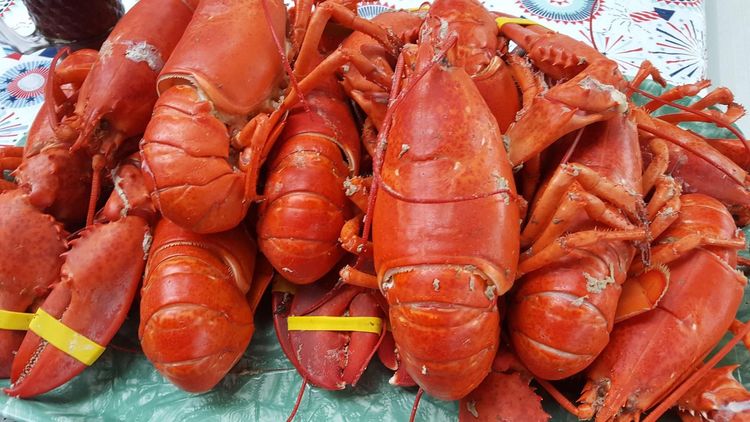
This article originally appeared on the Food in Canada website . Atlantic Canada’s seafood industry is challenged with how to deal with processing by-products and waste more sustainably. At the same time, the plastics industry is looking for greener packaging alternatives that don’t rely on fossil fuel-based ingredients. North Sydney, NS-based Copol International Ltd. , a leading manufacturer of cast polypropylene films for the flexible packaging industry, has teamed up with researchers at the Verschuren Centre for Sustainability in Energy and the Environment to develop a solution that will benefit both industries. The result: using lobster shells left over from processing to create a biopolymer that can be incorporated into environmentally friendly packaging with antimicrobial properties to help reduce food waste. “For us, it’s really all about sustainability and being able to bring the plastics industry and our product – used mainly in produce and bakery items to enhance presentation and extend shelf-life – forward to both prevent food waste and to reduce the impact of plastic on the environment,” says Denis Lanoë of Copol International. “Plastic has a role to play; our customers and their customers want to be sustainable, so we want to be able to help with that and come up with a better solution moving forward.” Currently, many of the by-products of seafood processing are considered waste product – even though they contain nutrient-rich compounds – and end up in landfills. Not only is that detrimental to the environment, but seafood processors must pay tipping fees for disposal, adding to their operating costs. “What we are trying to do with the project is to use marine by-products – a waste stream that is generated out of seafood processing – and other under-utilized marine resources to develop functional ingredients,” explains Aishwarya Mohan, who worked on the project during her time as research manager for bioproducts at Verschuren Centre. The research team has developed a green chemistry approach for extracting interesting compounds from seafood waste, examining their properties and evaluating what benefits they might provide. The biopolymer that they’ve developed using lobster shells and other shellfish waste can be used both as an additive on existing film to extend the shelf-life of fresh produce and bakery items, as well as replacing some of the fossil-based polypropylene that is currently used as an ingredient in the packaging film. “This is addressing two issues: to take care of the waste products that are generated from the seafood processing and also producing higher-value products for niche applications,” adds Mohan. “We have realized some promising results. What we have left to do is continue to work with our collaborators on testing in real food systems.” According to Lanoë, if even 10 or 20 per cent of the fossil fuel-based ingredients can be replaced by the polymer using seafood waste, it will lead to more environmentally friendly packaging solutions – and a potential boost to the regional economy. “The biopolymer itself is based on a waste marine product that is locally available so the whole project has very big potential and is very exciting for the whole regional economy,” he says. “Everything is locally sourced and locally based so with a successful outcome, we could actually start developing a biopolymer industry based right here in Nova Scotia.” The antioxidant properties of the fish peptides identified by the research team at the Verschuren Centre could also be incorporated into beverages and other food applications. A final step in the project involves testing them with dairy products like cheese to determine their suitability for use in dairy products. Verschuren Centre CEO Beth Mason says her organization translates what happens at the research level into reality for industry partners like Copol. With this project, the cluster funding has brought multiple industry partners together which will ultimately broaden the application of the research itself. “Generally industry partners wouldn’t have large R&D capacity internally and to get new technologies into industry, you need this type of approach (like the cluster funding) so that you can actually adapt R&D into real life,” Mason says. “We can mediate far greater uptake of R&D by having multiple partners.” This project is helping the marine industry extract value from resources that are currently under-used while also supporting the food packaging sector with sustainable alternatives that are better for the environment and can help reduce food waste by extending product shelf life. Food innovation and new technology can have a major impact on product life cycle design. Do you have a ground-breaking concept needing funding? CFIN’s Food Innovation Challenge, Plastics Solutions for Food: Reduction, Replacement, and Recyclability, is looking for proposals! Click here for more information.
Community Manager-
Guest Blog: Innovation in the circular economy of plastic packaging
By Carol Zweep When it comes to the circular economy of plastics, innovative solutions continue to be introduced to the market. These options offer alternatives to traditional plastics, reducing landfill waste and impacts on the environment. Edible and biodegradable packaging: Some packaging materials are safe for consumption and can replace items such as single-use plastic beverage bottles, cups, and condiment sachets. Ooho , a material made from brown seaweed, is one such material that is also a renewable natural resource. Produce packaging replacement: Plant-derived coatings such as Apeel can be used in place of plastic packaging such as shrink-wrap on fruit and vegetables. This coating slows water loss and oxidation, extending the shelf-life of produce without plastic. Take-out containers: Companies such as Friendlier are designing polypropylene takeout containers that can be returned after use to collection bins. Once returned, the container is washed, sanitized, and redistributed in a closed-loop system. Then, at the end of its life, the container can be recycled. Meat trays: A package converter, Klockner Pentaplast , has developed an unique design for a polyethylene terephthalate (PET) tray that retains and reroutes liquid away from meat at any angle. By eliminating the absorbent pad typically seen in meat packaging, this product improves quality while also increasing clear product visibility. In addition, the tray contains recycled content and is recyclable. Compostable options: Single-use coffee pods can be wasteful. Nabob and Maxwell House recently developed a zero-waste solution where all of the pod components – the lids, rings, filter, and used coffee grounds – are compostable. The pods have demonstrated successful breakdown in real-world testing in a variety of composting conditions and processes. The pod bags and cartons are also recyclable, offering a new alternative to consumers. Recycling rate improvements: Innovations such as digital watermarking technology enable higher sorting and recycling capture rates for packaging while reducing waste. Digimarc technology modifies the pixels of the packaging to carry an imperceptible code undetectable to the consumer. The code is picked up by cameras, such as on the sorting line of a waste management facility, and then the packaging is sorted into the recycling section. Proctor & Gamble is currently using Digimarc for its Lenor Fabric Softener, but the technology is being piloted in other packaging as well. Food-Grade Recycled Plastic: Post-consumer PET is being used by companies such as Ice River , taking materials from used bottles and thermoform clamshell packaging to make new food containers and water bottles. Once collected from municipal recycling facilities in Canada and the Northern U.S., the material, which is often contaminated, undergoes a rigorous purification process before being recycled into food-grade recycled plastic. Hard-to-Recycle Plastics: Even hard-to-recycle plastics are being repurposed to reduce waste. For example, Firstar Fiber Corporation is transforming such plastics into plastic lumber, a value-added product used in decking and furniture. CRDC Global is also applying scale solutions to the conversion of hard-to-recycle plastic into a concrete additive in building and construction. As companies look to meet the demands of a circular economy of plastics, more innovative solutions are on the horizon. In the future, we can expect to see even more creativity and applications for alternatives to traditional plastics in food packaging. Carol Zweep is manager of Consulting and Technical Services for NSF Canada. Contact her at czweep@nsf.org .
Community Manager-
The Tablesetter – September 12
Happy Monday CFIN members! Here's your weekly heads up on what’s happening on YODL and around the food world this week. The YODL Menu Did you notice we added a YODL Menu widget to our homepage? Now you can easily access all of our articles and keep track of what’s coming up. Monday: The Tablesetter – September 12 Tuesday: Guest blog: Innovation in the circular economy of plastic packaging Wednesday: From biowaste to sustainable packaging Thursday: C hallenge – Innovation and R&D in plastic alternatives Friday: News File Something to Celebrate September 13 is international chocolate day! Chocolate was first used more than 4,000 years ago in Mesoamerica, as both medicine and during rituals. Eventually Mayan cultures began consuming it as a beverage and using the valuable commodity as a trade currency. Historians believe chocolate made it to Spain in the 16 th century, and the expensive treat spread throughout Europe. Once the chocolate press was invented in the early 1800s, chocolate production became easier and less costly, making mass production of chocolate possible. Food Facts In 2012 historians uncovered a strange plan to assassinate UK Prime Minister Winston Churchill. The plan involved Nazi bomb makers coating an explosive with dark chocolate, then packaging it to look like a luxury chocolate bar. The bars were intended to be placed in the War Cabinet, but the plan was foiled by MI5 agents in 1943. Happy YODLing!